• Episodes
  • Listen
  • Transcripts
  • Tranquillusionist
  • Events
  • Lexicon
  • Donate
  • Contact
  • Merch
Menu

The Allusionist

Street Address
City, State, Zip
Phone Number
A PODCAST ABOUT LANGUAGE
BY HELEN ZALTZMAN

Your Custom Text Here

The Allusionist

  • Episodes
  • Listen
  • Transcripts
  • Tranquillusionist
  • Events
  • Lexicon
  • Donate
  • Contact
  • Merch

Allusionist 198: Queer Arab Glossary

August 9, 2024 The Allusionist
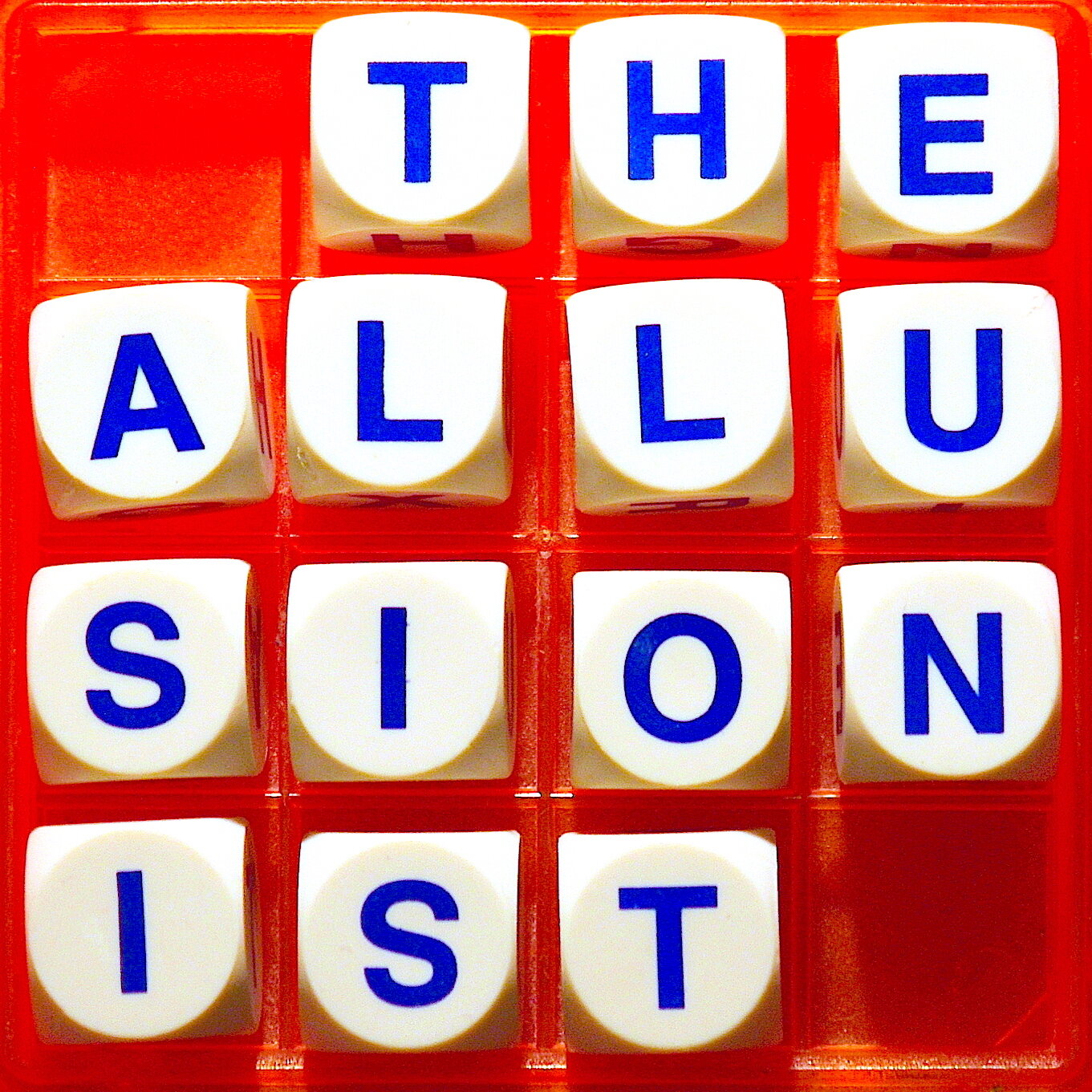
Boggle grid spelling out the words "Queer Arab Glossary"

Since 2019, Marwan Kaabour has been collecting Arabic slang words used by and about queer people, first for the online community Takweer, and now the newly published Queer Arab Glossary. "When researching for this book, I discovered so much of the sociopolitical, cultural, linguistic, and historical layers that make up the words," he says. He also discovered quite a lot about frying, white beans and worms (metaphorical ones).

Read more
In episodes Tags lexicography, lexicon, society, culture, words, language, etymology, vocabulary, Marwan Kaabour, Takweer, Queer Arab Glossary, dialect, Arabic, Levantine, Iraqi, Egyptian, Gulf, Sudanese, Maghrebi, Al-Sham, Lebanon, Levant, Southwest Asia, North Africa, SWANA, Libya, Syria, Sudan, Tunisia, Kurdish, queerness, queer, LGBTQIA, gender, masculinity, femininity, gay, trans, lesbian, sex work, genitals, penis, slang, slurs, colonisation, worms, yarn, crocodile, falcon, cow, hyena, food, frying, Hajj, K-pop, Mickey Mouse, Italian, French, English, metaphors, genderfree, detritivore

Allusionist 174. Eurovision part 1

April 7, 2023 The Allusionist

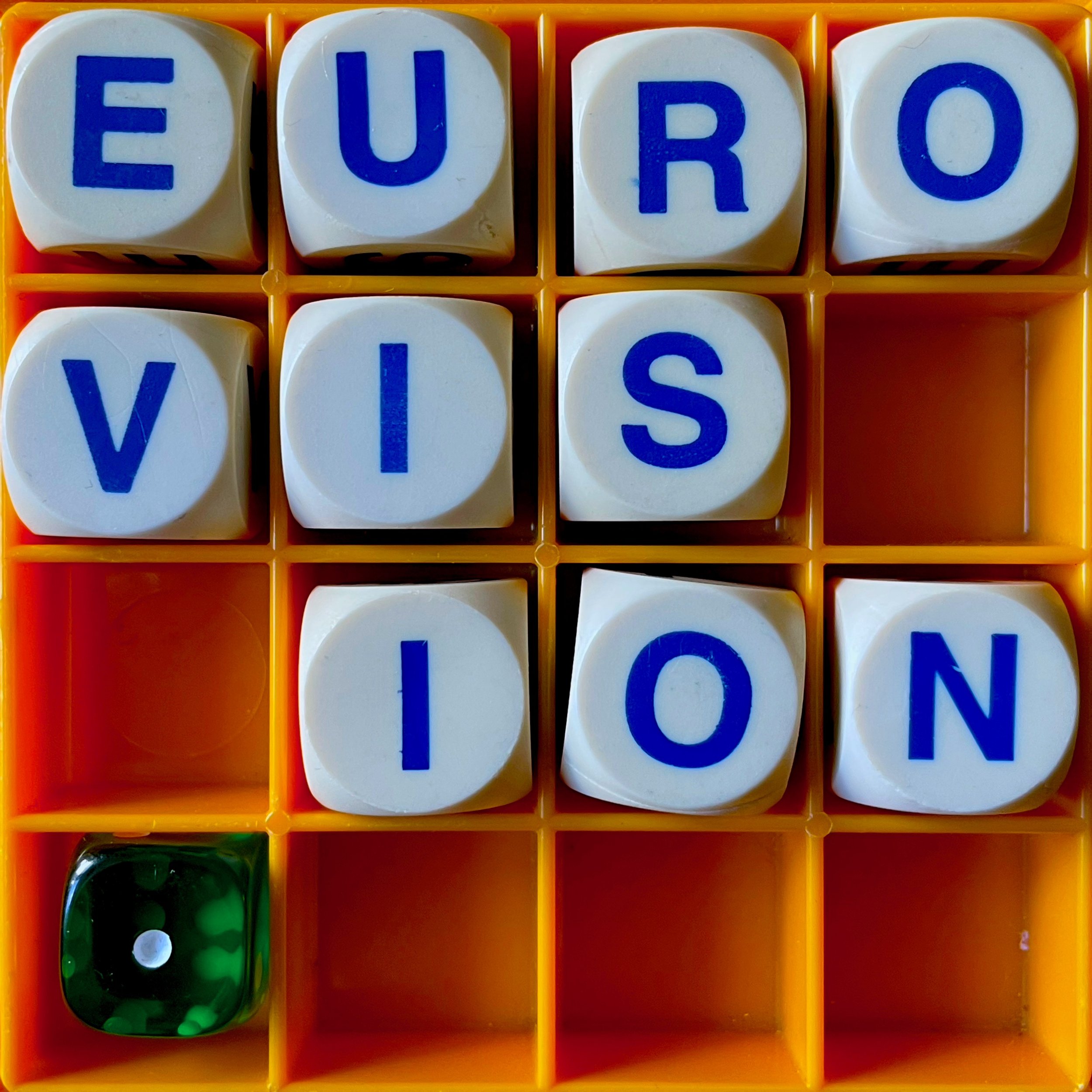
There aren't many multilingual, multinational television shows that have been running for nearly seven decades. But what makes the Eurovision Song Contest so special to me is not the music, or the dancing, or the costumes that range from spangletastic to tear-off: no, it's the people butting heads about language. Historian Dean Vuletic, author of Postwar Europe and the Eurovision Song Contest, recounts the many changes in Eurovision's language rules, and its language hopes and dreams.

Read more
In episodes Tags etymology, words, language, society & culture, arts, history, Dean Vuletic, singing, songs, tv, television, broadcasting, geography, politics, political, Eurovision Song Contest, European, Europe, pop, music, ABBA, Waterloo, Volare, Italian, French, German, Dutch, Swedish, France, Spain, Spanish, Norway, Sweden, Malta, English, Italy, United Kingdom, UK, Welsh, Wales, Australia, Luxembourg, Belgium, Flemish, Walloon, Israel, Hebrew, Finland, Netherlands, European Broadcasting Union, EBU, European Broadcasting Area, ESC, public broadcasters, latitude, longitude, multilingual, polyglot, bloc voting, francophone, national languages, Breton, controversy, Domenico Modugno, 20th century, 1950s, radio, portmanteau, portmanteaux, Serge Gainsbourg, Marc Chagall, rules, constructed languages, conlang, soccer, technology, ruelle, Eurovisionallusionist

Allusionist 155. The Tiffany Problem

May 27, 2022 The Allusionist

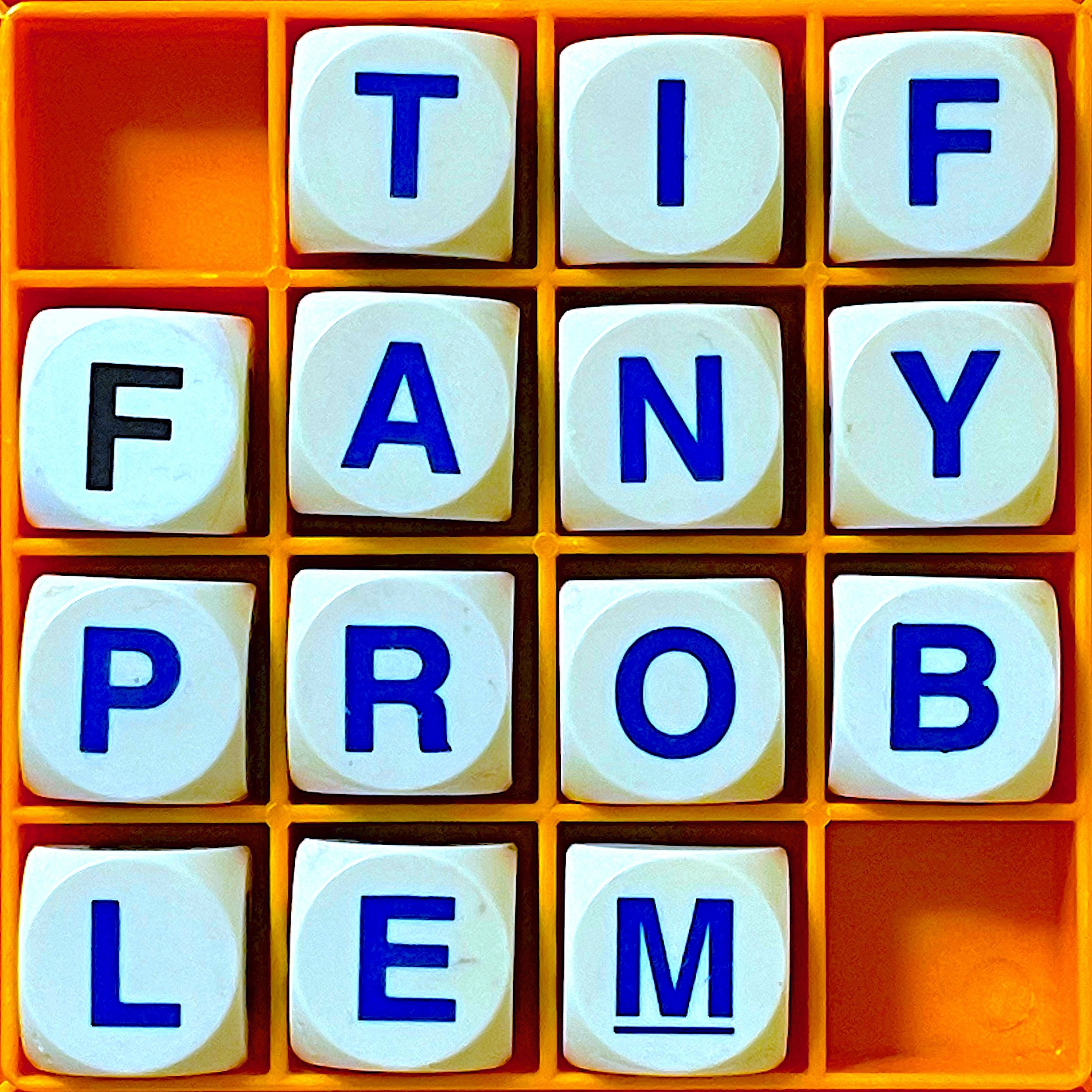
The name Tiffany has been around for some 800 years. But you can't name a character in a historical novel 'Tiffany', because people don't believe the name is old. Science fiction and fantasy author Jo Walton coined the term "The Tiffany Problem" to express the disparity between historical facts and the common perception of the past.

Read more
In episodes Tags words, language, linguistics, education, comedy, entertainment, society & culture, arts, literature, etymology, lexicon, vocabulary, Helen Zaltzman, Jo Walton, The Tiffany Problem, eponyms, history, English, French, medieval, Tiffany, Epiphany, Theophania, old things, fiction, novels, historical, stories, anachronisms, anachronistic, names, first names, last names, naming trends, Breakfast at Tiffany’s, Tiffany’s, Richard Gere, fleer

Allusionist 131. Podlingual

February 25, 2021 The Allusionist
A131 Podlingual logo.jpg

In their podcasts Mija and Moonface, Lory Martinez and James Kim create autobiographical fiction in multiple languages.

Read more
In episodes Tags words, language, linguistics, education, comedy, entertainment, society & culture, arts, literature, etymology, lexicon, vocabulary, James Kim, Moonface, Lory Martinez, Mija, Ochenta Studios, podcasting, podcasts, fiction, drama, immigration, multilingual, bilingual, multiculture, English, French, Spanish, Korean, Mandarin, libration

Allusionist 118. Survival: Bequest

July 3, 2020 The Allusionist
A118 logo Survival Bequest.jpg

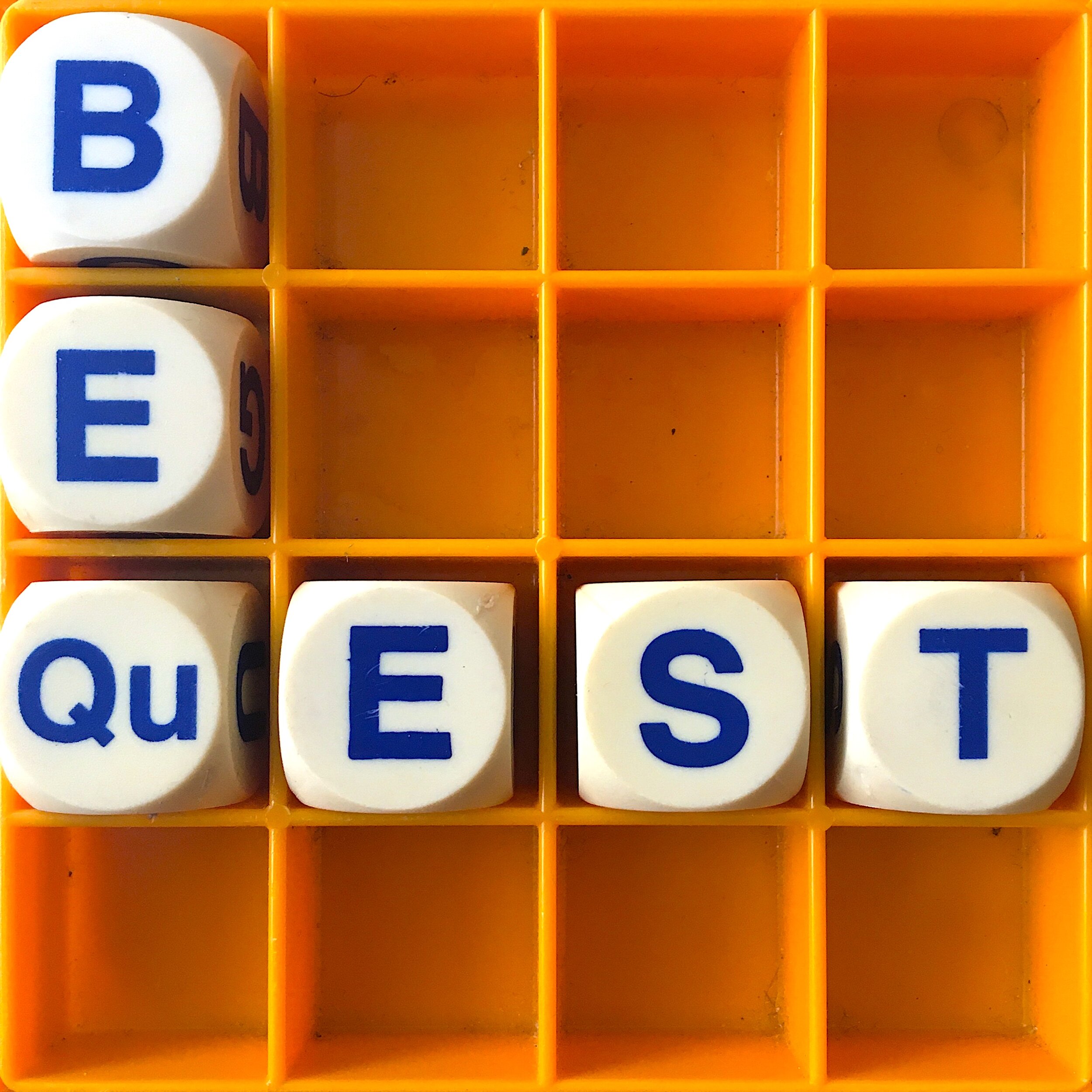
When the Europeans arrived in Aotearoa New Zealand, as well as guns, stoats and Christianity, they brought ideas of cisgender monogamous heterosexuality that were imposed upon the Māori people as if there had never been anything else. But one word, takatāpui, proved otherwise.

Read more
In episodes, Survival Tags words, language, linguistics, education, comedy, entertainment, society & culture, arts, literature, Helen Zaltzman, etymology, lexicon, vocabulary, Hemi Kelly, Elizabeth Kerekere, LGBTQIA, LGBTQ+, Pride, queer, sexuality, gender, identity, sex, relationships, families, family, community, Aotearoa, New Zealand, oppression, enby, NB, nonbinary, homosexuality, bisexuality, pansexuality, polyamory, heterosexuality, trans, intersex, rainbow people, genderfluid, fluidity, oppressed languages, minority languages, gender stereotypes, masculinity, femininity, monolingual, multilingual, loanwords, gender fluid, society, Christianity, Christian, religious, colonialism, colonial, Survival, colonisation, English, invasion, war, translation, Māori, takatāpui, Britain, British, UK, annexation, Treaty of Waitangi, urbanisation, whiteness, white privilege, privilege, English problematic fave, punishment, corporal punishment, shame, sailors, settlers, Maori Land Wars, art, carvings, bowdlerization, storytelling, story, stories, oral, oral tradition, writing systems, Roman alphabet, written, music, songs, singing, lyrics, whakataukī, proverbs, sayings, metaphor, imagery, genitalia, genitals, male, female, orthography, pronunciation, auscultation, stoats, laments, lost language, pronouns, context, gendered pronouns, erasure

Allusionist 92. To Err is Human

January 23, 2019 The Allusionist
A92 logo To Err is Human.jpg

If you wince when you hear someone say “a whole nother level”, “hone in on” or “right from the gecko”, here’s some bad news: you might have to get used to it. The English language is full of words and expressions that were mistakes that stuck around. Countdown’s Susie Dent holds our hands and takes us on a tour of misspellings, mishearings, scrambled letters, and bear cubs.

Read more
In episodes Tags words, language, linguistics, education, comedy, entertainment, society & culture, arts, literature, Helen Zaltzman, etymology, lexicography, Susie Dent, Countdown, history, lexicographers, anagrams, mistakes, jerusalem artichokes, curry favour, favor, expressions, sayings, malaphors, eggcorns, bears, swearing, swears, cusses, euphemisms, zounds, gadzooks, jeepers creepers, Jiminy Cricket, arse ropes, English, errors, debt, doubt, dord, plumber, umpire, nickname, cherries, jerusalem artichoke, freelance, lick into shape, secretary, hangnail, buttonholing, shamefaced, Latin, Old English, Middle English, profanity, liripipe, liripoop

Allusionist 53: The Away Team

March 31, 2017 The Allusionist

"Recognizing someone's humanity is crucial. Calling someone a migrant, calling someone an asylum seeker, calling them a refugee: these are official categories. But in many ways, depending on how they use them, they can change and become more negative."

So says propaganda and migration specialist Emma Briant, explaining the dangers of conflating and misusing the terms that apply to humans on the move. And British-Asian-but-kinda-not author Nikesh Shukla wonders where he's from - where he is really from.

Read more
In episodes Tags words, language, history, etymology, French, Norman Invasion, Normans, Old French, Norse, Vikings, invasion, foreign, foreign policy, English, Britain, Germanic, Romans, Latin, loanwords, immigration, immigrants, migration, migrants, asylum seekers, refugees, media, tabloids, newspapers, aliens, displacement, racism, foreigners, Nikesh Shukla, Emma Briant
Comment

Allusionist 33: Please

April 1, 2016 The Allusionist

iTUNES • RSS • MP3

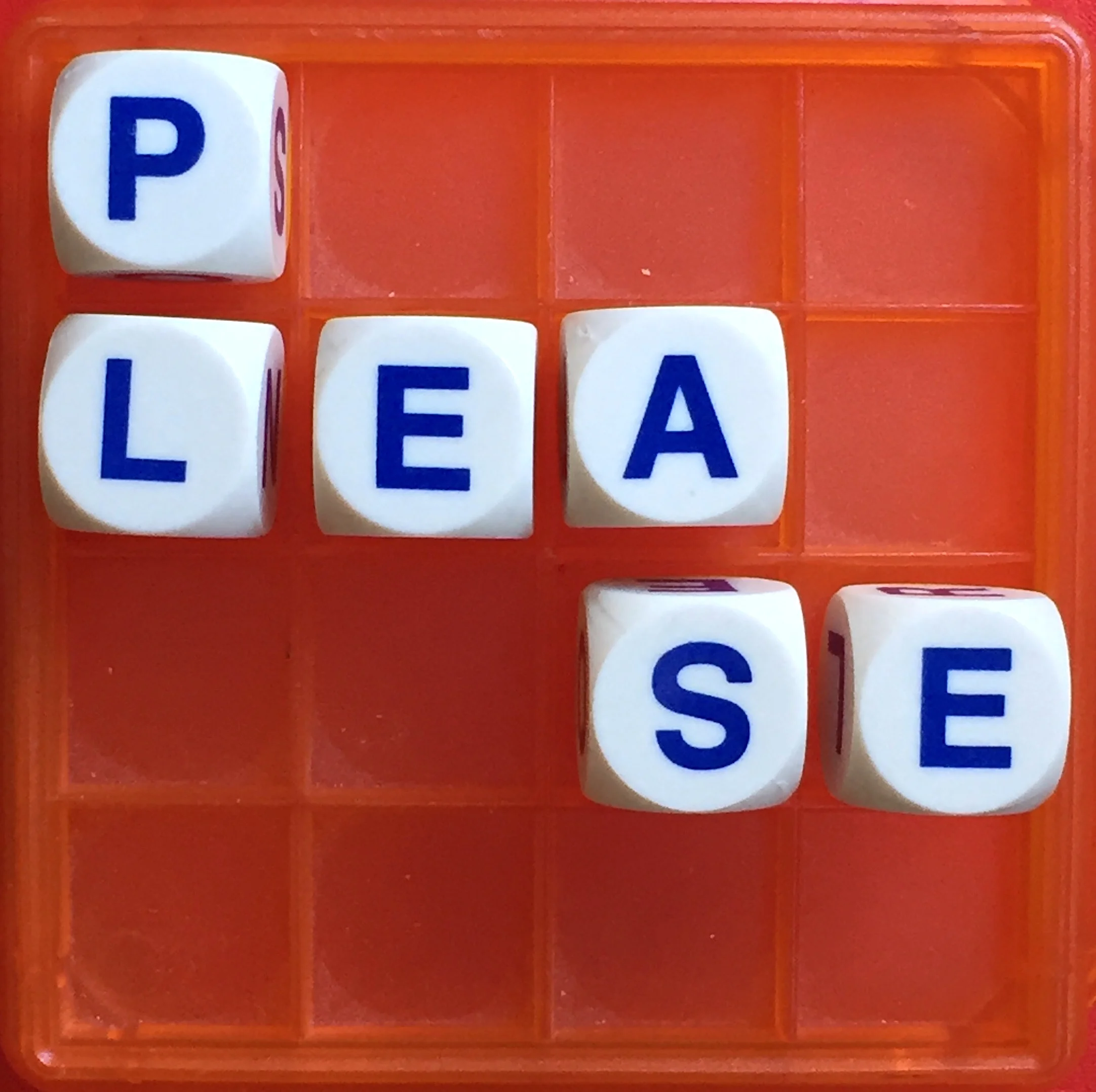
There's an ocean between Britain and the USA, but an even wider division between each country's use of a particular word: 'please'.

Linguists Lynne Murphy and Rachele De Felice explain how one nation's obsequiousness is another nation's obnoxiousness.

PLEASE, READ MORE ABOUT IT:

  • Lynne Murphy’s blog is Separated By A Common Language. She has written about ‘please’ and ‘please’ in restaurants.

  • Anthropologist David Graeber considers the reciprocity in using these niceties.

  • “We should use "please" and "thank you" selectively so we don't confuse each other about the difference between favors and obligations”.

  • Why do the British say ‘sorry’ so much?

  • This claims to be a history of etiquette, but is mainly about forks. Get the forks right, and the rest follows (or so the fork tyrants would have you believe).

  • Emily Post may have died in 1960, but she’s still looking out for your manners. Keeping the Post flag politely flying, her great-great-grandchildren host the Awesome Etiquette podcast.

  • There's a transcript of this episode at theallusionist.org/transcripts/please.

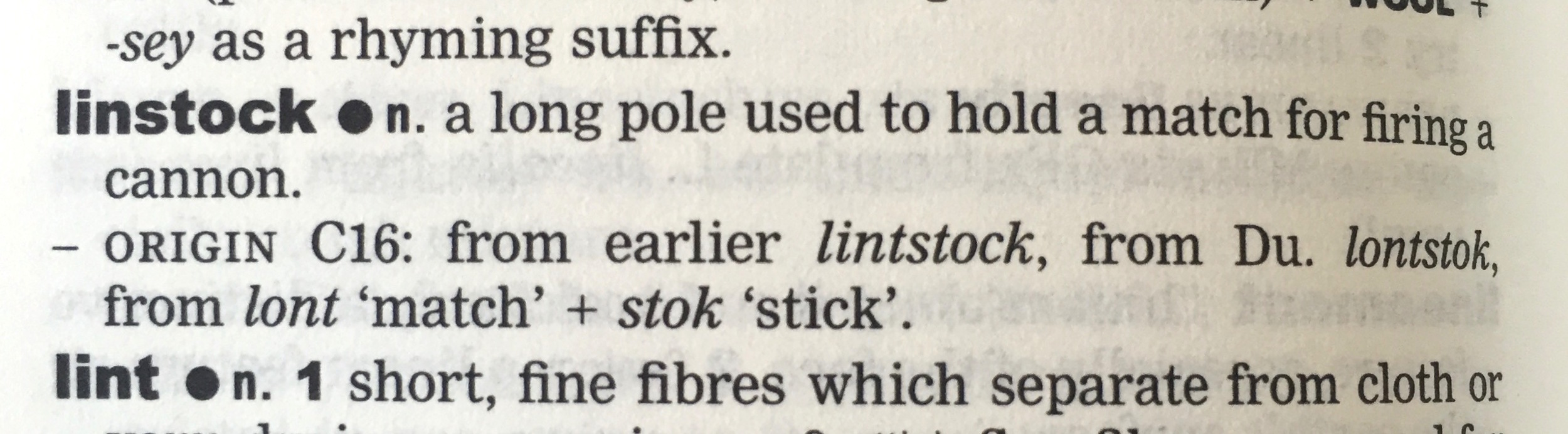
RANDOMLY SELECTED WORD FROM THE DICTIONARY:
linstock
CREDITS:

  • Lynne Murphy's blog is separatedbyacommonlanguage.blogspot.com and she is @lynneguist on Twitter. Rachele De Felice is @racagain on Twitter. If you're interested in linguistics, follow them!

  • This episode was produced by me, Helen Zaltzman, with music by Martin Austwick.

  • Please find me at facebook.com/allusionistshow, twitter.com/allusionistshow and twitter.com/helenzaltzman.

Please come back for another episode in two weeks.

- HZ

In episodes Tags words, language, USA, Britain, English, manners, etiquette, politeness, social, linguistics, behaviour, behavior, sorry, apologies, apologising, niceties, linstock, England, British, Lynne Murphy, Rachele De Felice
24 Comments

Allusionist 18: Fix part II

September 9, 2015 The Allusionist
Fix II Boggle board.png

iTUNES • RSS • MP3

The messiness of English is the price of its success. It is the most widely spoken language in the world, geographically, being an official language in 88 different countries, and there are countless different versions of it all over the world. With so many speakers in so many places, it would be impossible to establish a single 'correct' form of English; and, as became evident in Fix part I, to try to do so is a losing game.

In Europe, a new strain of English is emerging. It's not spoken very widely, but it is used by some of the most powerful people in the world. Hampton and Michael Catlin, founders of the collaborative online dictionary Wordset, lead us into this linguistic netherworld.

Beware: excessive suffixes.

READING MATTER:

  • Who WOULDN'T want to read the European Court of Auditors' 66-page 2013 report Misused Words and Expressions in EU Publications? Curl up on the sofa and prepare to discover bold new uses for 'homogenise', 'mission' and 'jury'.

  • The history of musical notation, do re mi - née ut re mi - is interesting; read more about it here.

  • If you're infuriated by someone who muddles up words like 'gamut' and 'gamete', you could direct them to diffen.com or the-difference-between.com.

  • The transcript of today's show is here.

  • The Guardian interviewed me about the Allusionist and Answer Me This; take a look here (if just for the accompanying photo).

RANDOMLY SELECTED WORD FROM THE DICTIONARY:
gleet

CREDITS:

  • Hampton and Michael Catlin founded Wordset, the online collaborative dictionary that aims to collect every different form of English. You can help out at wordset.org. You can also hear the Catlins on their podcast, We Have A Microphone.

  • This episode was produced by me, Helen Zaltzman. Thanks to Matthew Crosby for his vocal contributions. The music is by Martin Austwick. Hear and/or download more - WITH LYRICS! - at thesoundoftheladies.bandcamp.com.

  • Say hello to me at facebook.com/allusionistshow, twitter.com/allusionistshow and twitter.com/helenzaltzman.

The next episode will appear in a fortnight. Thank you for your actorness in listening.

- HZ

In episodes Tags words, language, fixing, fixing language, Europe, European Union, mistakes, word-building, new forms, excessive suffixes, verbs, nouns, actor, actorness, planification, English, Wordset, technocrats, pedantry, valorise, gamut, gamete, rage, errors, misuse, evolution, morphology, Michael Catlin, Hampton Catlin, solfege, musical notation, do re mi, gamma ut, ut re mi, music, notes, confusion
12 Comments

Allusionist 17: Fix part I

August 26, 2015 The Allusionist
Fix I Boggle board.png

iTUNES • RSS • MP3

The English language is a mess. And if you don't like it, what are you going to do about it - fix it? Good luck with that.

In the early 18th century, a movement of grammarians and authors wanted to set up an official authority to regulate English, like French had in the Academie Francaise. But is trying to fix a language a good move? Linguists Liv Walsh and Thomas Godard weigh up the evidence.


Apologies in advance, pedants: this episode may contain some truths you* don't want to hear.
*we.

READING MATTER:

  • Some of the audio is a bit unclear, so here's a transcript of the show.

  • Find out about the Academie Francaise, including what you'll need to do if you want to become one of Les Immortels. (You'll probably have to kill one of the current ones.)

  • Here is Jonathan Swift’s language proposal and here is his Modest Proposal.

  • This article summarises how most linguistic rules are just busking it; it also links to a 1909 paper about the subject that doesn't mess around.

  • Thomas Godard recommends reading Fixing English by Anne Curzan and The Bishop's Grammar by Ingrid Tieken-Boon van Ostade, and listening to PRI's The World in Words.

  • The purists among you may wish to seek refuge with the Queen's English Society.

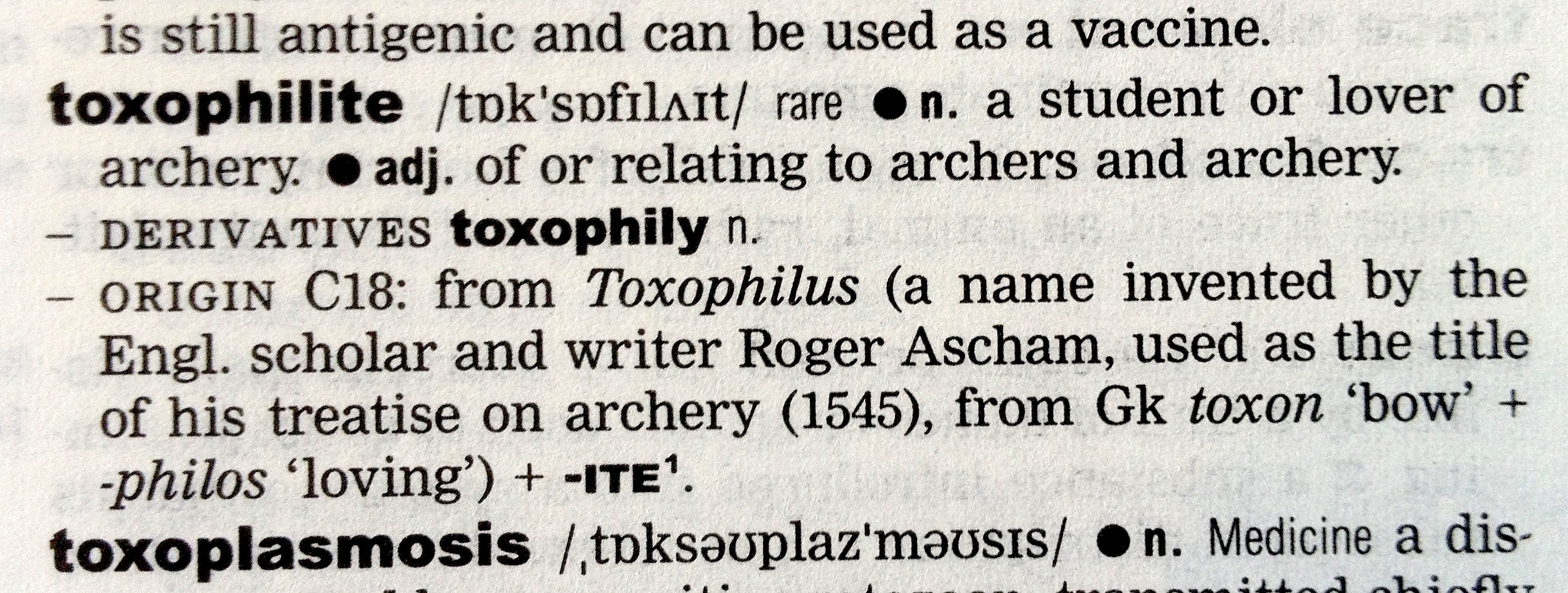
RANDOMLY SELECTED WORD FROM THE DICTIONARY:
toxophilite
CREDITS:

  • Thanks very much to Dr Liv Walsh and Thomas Godard, and to Dr Rachele De Felice who helped me find them.

  • This episode was produced by me, Helen Zaltzman. All the music is by Martin Austwick. Hear and/or download more - WITH LYRICS! - at thesoundoftheladies.bandcamp.com.

  • Say hello to me at facebook.com/allusionistshow, twitter.com/allusionistshow and twitter.com/helenzaltzman.

Come back in a fortnight to see if the current attempts to fix English are faring any better than the 18th century ones.

- HZ

In episodes Tags linguistics, Thomas Godard, English, fixing language, dictionaries, purism, spelling, spelling reform, pedantry, log on, Terminology Commission, split infinitives, Academies, fixing, preservation, technology, computing, Johnson's Dictionary, punishment, toxophilite, sailors, borrowing, knots, ancient languages, perfection, history, bran, standardisation, F-Secure, log in, reforms, logs, grammarians, reform, French Revolution, grammar, Liv Walsh, Italian, ships, Academy, Jonathan Swift, Italy, A Modest Proposal, education, Samual Johnson, Academie Francaise, purity, Hover, Latin grammar, login, France, computation, computers, semantic shift, Cardinal Richelieu, the ineluctable march of progress, evolution, nautical, Dr Johnson, rules, Les Immortelles, Latin, social reform, pedants, language reform, language, authority, French, standardization, words
Allusionist Patreon
Featured
Allusionist 233. Phobia

'Phobia' gets used for anything from a mild aversion to a debilitating anxiety response to various forms of bigotry. Deboki Chakravarti and Sam Jones of the podcast Tiny Matters join to consider the term from its comedic origins with one of the founding fathers of the USA, via rabies and Greek deities, to its role in their lives today.

CONTENT NOTE: we’re not trying to stoke anyone’s phobias, but we do discuss some common phobia-inducers, including snakes, germs and small holes, and there’s a brief mention of tarantulas. There’s also talk about OCD and rabies.

Read more →
Allusionist 232. Vega

What do you call yourself if you're a part-time vegetarian? What petty linguistic things would you change? And what do you do if people gripe at you if you say that you are bi or pan? To answer these questions from the Allusionist mailbag are esteemed alumsionists: Hrishikesh Hirway and Samin Nosrat of Home Cooking podcast; academic and author Alex Ketchum; lexicographer Kory Stamper; and linguist Lauren Gawne of Lingthusiasm podcast.

Read more →
Tranquillusionist: cheesy cheesybobs

This is the Tranquillusionist, in which I, Helen Zaltzman, say a series of words to relax your mind, replace a hectic interior monologue, maybe lull you to sleep, hopefully quell the mental uproar just for a little while.

Today: nicknames for woodlice AKA rolypoly bugs AKA slaters AKA all these other things; and a list of cheeses from Great Britain and Ireland.

Read more →
78AF926C-7878-4567-A87F-13CFF415B647_1_105_c.jpeg
sorry lads, we're getting bad ads

TL;DR version:

  • For the show's financial survival (hopefully), over the next few weeks I'm having to switch on programmatic advertisements. This means, for the first time in the show's nearly 12-year existence, you may be subjected to ads that are not voiced, scripted and individually approved by me.

  • If you would prefer to listen to the show without ads in it, patreonise the show at the Gravy, Wedge or Check tiers, which include the perk of an ad-free RSS feed.

Click through to read the rest of the post about why I’m doing this thing I don’t want to do.

Read more →
Allusionist 231. Lingthusionist

“Linguistics and language is such a good mechanism for being curious,” says Lauren Gawne, linguistics prof, author of the book Gesture, and cohost of the podcast Lingthusiasm. I'm in vacation mode (although not on actual vacation alas), so today's episode is a fun chat with our nice pal about making language podcasts, the firey digestive punishments for linguistics researchers, working in reality television, and cute tame nouns versus scary intimidating verbs.

Read more →
Allusionist 230. Draculae part 4: Transformation

Throughout the Draculae miniseries, about the Swedish and Icelandic translations of Dracula that played fast and loose with the original text, I've been wondering a couple of questions: why are cover versions of songs and remakes of films so normal and acceptable, whereas cover versions in book form cause such a stir? And do these Scandinavian Draculae count as fan fiction? And if not, why not? Fansplaining.com's Elizabeth Minkel explains what fan fiction can mean.

Read more →
Allusionist 229. Draculae part 3: Hunting Down the Count

Many mysteries accompany the revelations that Powers of Darkness, the Icelandic and Swedish versions of Dracula, are not direct translations of Bram Stoker's original, but stories that significantly differ in character names, plot and runtime. Like: did Bram Stoker write it himself, to publish some raunchy content that British censors would forbid? Was Powers of Darkness based on his early drafts? And did he really not copyright Dracula in the USA was that a deliberate ruse? Welllll... brace yourself for ole thrill-destroyer Zaltzman to pop your balloons of excitement.

Read more →
queer playlist
Read more →
Allusionist 228. Draculae part 2: Surprises in the Vaults

Happy World Dracula Day to all who celebrate!

This is the second episode of the Draculae miniseries, about a literary mystery which came to me via a meme: “Someone translated Dracula into Icelandic, and it took over 100 years for anyone to point out he just made a fanfic rewrite of what he wanted the story to be.”

In Draculae part 2, Ásgeir Jónsson explains how he got that Icelandic adaptation of Dracula back into print, to little fanfare - but then Dutch scholar Hans Corneel de Roos set about making an English translation. Following that: like me, Will Trimble also got meme-struck, and that propelled him to get a translation of the Swedish version that begat the Icelandic one.

Before listening to this, check out the first episode of the Draculae miniseries explaining the three versions of Dracula: Dracula published by Bram Stoker in 1897; the Icelandic version Makt Myrkranna by newspaper editor Valdimar Ásmundsson, serialised in his newspaper Fyallkonan in 1900-1901; and the Swedish version Mörkrets makter by an author known only as A—e, and serialised in a couple of Swedish newspapers 1899-1900.

Read more →
Allusionist 227. Draculae part 1: Enter the Castle

A literary mystery came to me via a meme.

Read more →
Allusionist 226. Suburbia

"The word ‘suburbia’ sort of evokes a very fixed idea of a place that is identikit, that all suburbs are the same, that within the suburb everything is the same, that all people are the same, all experiences are the same," says social historian and author John Grindrod. "I think it has this kind of flattening-out facility, that word, that isn't true."

Read more →
Allusionist 225. Hues

You know what's an absolutely pesky kind of word to define in a dictionary? Colour names. A passel of lexicographers spent years - decades, even - trying different ways to describe colours in words for Webster's Third International Dictionary. It was such a huge, complicated effort that it took twelve years for former Merriam-Webster lexicographer Kory Stamper to write a book about it.

Read more →
Allusionist 224. Cosmic Hairball

Pack your oxygen tank, we're going up to space. There’s a lot of etymology up there.

Read more →
Allusionist 223. Bonus 2025
Read more →
Allusionist 222. A Christmas Carol

Today, we read the novelisation of The Muppet Christmas Carol, also known as the 1843 festive lit hit A Christmas Carol by Charles Dickens.

Read more →
Creative Commons Licence
The Allusionist by Helen Zaltzman is licensed under a Creative Commons Attribution-NonCommercial-NoDerivatives 4.0 International License.