• Episodes
  • Listen
  • Transcripts
  • Tranquillusionist
  • Events
  • Lexicon
  • Donate
  • Contact
  • Merch
Menu

The Allusionist

Street Address
City, State, Zip
Phone Number
A PODCAST ABOUT LANGUAGE
BY HELEN ZALTZMAN

Your Custom Text Here

The Allusionist

  • Episodes
  • Listen
  • Transcripts
  • Tranquillusionist
  • Events
  • Lexicon
  • Donate
  • Contact
  • Merch

Allusionist 218. Banned Books transcript

October 8, 2025 The Allusionist
A boggle grid spelling out the words 'banned books'

SAM HELMICK: Censorship is a hammer looking for a nail, my friends. And someday, you will be that nail too, unless we all decide that we're going to unite against book bans today.

Read more
In transcript Tags arts, society, culture, words, language, Iris Mogul, Sam Helmick, books, literature, law, novels, fiction, banned books, book bans, Banned Books Week, libraries, librarians, library, teachers, schools, Forrest Spaulding, ALA, American Library Association, Iowa, World War One, First World War, USA, free speech, liberty, censorship, intellectual freedom, First Amendment, oppression, Judy Blume, Stephen King, Toni Morrison, James Baldwin, Louise Erdrich, Forever, Deenie, Where’s Waldo, Where’s Wally, Tipper Gore, Satanic Panic, Mein Kampf, chilling effect, German, Babel Proclamation, bans, sauerkraut, renaming, rubella, Nineteen Eighty-Four, Friday Night Lights, Lady Chatterley’s Lover, history, queer, trans, LGBTQIIA+, gender, sexuality, race, BIPOC, politics, offence, social justice, explicit lyrics, parental guidance, Library Bill of Rights, quintain

Allusionist 217. Bread and Roses, and Coffee transcript
September 24, 2025 The Allusionist
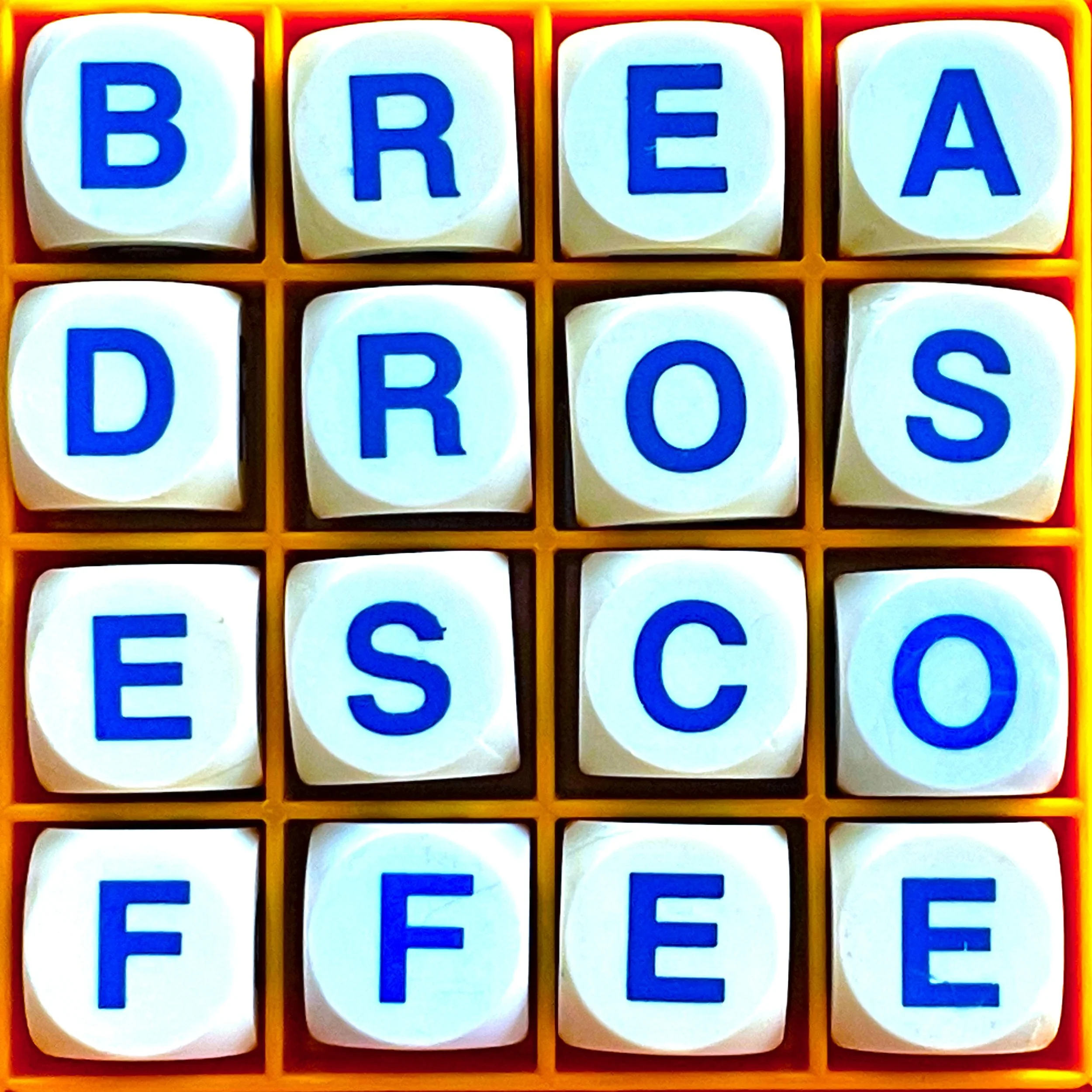
A boggle grid spelling out the words bread, roses, coffee

I was really interested in what were the stakes of calling your restaurant feminist? What were you holding yourself accountable to? What were you trying to signal to potential customers? What were you trying to say to staff and so forth?

HZ: What were the consequences? Because there were a lot of like upsides and downsides to having 'feminist' in the restaurant's name.

ALEX KETCHUM: Yeah, for sure. Some of the upsides were that you were signalling to other likeminded folks or curious folks that this could be a space for them to gather. There was an indication of the politics of the space. So it was an indication of what kind of events you might find, speakers you might find, artwork and music you might see and hear in the space.
There were also ways that people might feel more invested in the space, that they might contribute time or money or energy, or be just interested in visiting. Calling it a feminist space oftentimes was also one of the many code words, during the 1970s and 1980s, to also signal lesbian space or questioning space; or a term we might use today, but would be anachronistic at the time, as kind of like a queer women's space. So, this was a way of marking like, "Hey, you might be welcome here, your sexual orientation might be accepted, you might hear a poet you're interested in hearing," and so forth. So, there were a lot of kind of benefits in building community and interest in the space by indicating the term. 
And then the downsides could also be, you know, there's bias against the word 'feminism'. Some people would feel uncomfortable with it or push back on it. There was also a concern from many of the people who founded these spaces that they might be targeted for violence. They might get rocks through the windows and so forth. Generally, that wasn't the case with a few exceptions, but there was also kind of a heightened level of fear in choosing to mark your space so explicitly.

Read more
In transcript Tags society, culture, words, language, history, etymology, vocabulary, Alex Ketchum, 1970s, 1980s, USA, cafes, restaurants, coffee shops, spaces, feminists, feminism, lesbians, queer, trans, LGBTQIIA+, female, menu, food, signalling, politics, code words, hierarchy, collectives, waitstaff, cooks, chefs, terminology, social, work, labour, workplace, Bloodroot, ecofeminism, vegetarian, vegan, eating, recipes, dishes, food eponyms, eponyms, alcohol, caffeine, drugs, dieting, diet culture, dele, gourmet

Allusionist 198. Queer Arab Glossary

August 12, 2024 The Allusionist

HZ: So how do you go about building a glossary when you have to do that yourself from scratch?
MARWAN KAABOUR: Yes, it's a good question. Like, why would a graphic designer with a steady job decide to open this can of worms?

Read more
In transcript Tags history, lexicography, lexicon, society, culture, words, language, etymology, vocabulary, Marwan Kaabour, Takweer, Queer Arab Glossary, dialect, Arabic, Levantine, Iraqi, Egyptian, Gulf, Sudanese, Maghrebi, Al-Sham, Lebanon, Levant, Southwest Asia, North Africa, SWANA, Libya, Syria, Sudan, Tunisia, Kurdish, queerness, queer, LGBTQIA, gender, masculinity, femininity, gay, trans, lesbian, sex work, genitals, penis, slang, slurs, colonisation, worms, yarn, crocodile, falcon, cow, hyena, food, frying, Hajj, K-pop, Mickey Mouse, Italian, French, English, metaphors, genderfree, detritivore

Allusionist 166 Fiona part 2 transcript
December 5, 2022 The Allusionist

HARRY JOSIE GILES: I don't think that anyone should come away from this conversation not wanting to use the name Fiona. I think this is a beautiful and rich history. It might not be quite the history that you imagined, but I think it's a beautiful history.

Read more
In transcript Tags words, language, linguistics, education, society & culture, arts, literature, lexicon, vocabulary, etymology, history, Harry Josie Giles, Moll Heaton-Callaway, Fiona, Fiona Macleod, William Sharp, Elizabeth Sharp, Wilfion, Willfion, Scotland, Scottish, Gaelic, Celtic Revival, Celtic, Celticism, Highlands, Lowlands, Flora, Ffion, Fionnuala, Finn, white, poetry, novels, letters, correspondence, handwriting, LGBTQIA+, pseudonyms, alter egos, trans, gender, gender fluidity, authors, publishing, writers, writing, colonisation, colonial, cultural appropriation, authenticity, James Macpherson, Tales of Ossian, translation, myths, Irish, names, boats, Sharon Krossa, Caledonian Antisyzygy, Wikipedia, hyperbaton

Allusionist 165 Fiona part 1 transcript

November 22, 2022 The Allusionist

HARRY JOSIE GILES: Fiona is a name I think now that still has a slightly romantic, slightly historical Scottish feel. I think everyone thinks it's an old Scottish name, but it's not an old Scottish name!

Read more
In transcript Tags arts, literature, lexicon, vocabulary, etymology, history, Harry Josie Giles, Moll Heaton-Callaway, Fiona Macleod, William Sharp, Elizabeth Sharp, Wilfion, Scotland, Scottish, Gaelic, Celtic Revival, Celtic, Highlands, Lowlands, WB Yeats, poetry, novels, letters, correspondence, handwriting, LGBTQIA+, pseudonyms, alter egos, trans, gender, gender fluidity, Elena Ferrante, authors, publishing, writers, writing, cultural appropriation, names, naming, census, records, boats, celsitude

Allusionist 147 Survival: Today, Tomorrow part 2 transcript

December 7, 2021 The Allusionist

HZ: In 2019, the law changed so that as well as the previously available last name suffixes -son and -dóttir, there was now also a genderfree one, -bur.

ÞORBJÖRG ÞORVALDSDÓTTIR: Samtökin ’78, the national queer organization, worked with Trans Iceland and Intersex Iceland in forming that legislation that added this suffix to the last names. This specific change to the naming laws that we have - because we do have restrictions on what you can name your children and how you can be named yourself - this happened through a different kind of legislation. So it wasn't really a legislation that was meant to change the name laws. It was just the fact that we added a third gender registration.

HZ: In 2019 the Icelandic government, the Alþingi, unanimously voted to add a third option for legal gender: X, neither male nor female.

ÞORBJÖRG ÞORVALDSDÓTTIR: Then of course the naming laws had to be updated to suit that need. So that's why -son and -dóttir didn't work anymore, and there had to be added -bur, or the option to just leave son or daughter or child out.

Read more
In transcript Tags words, language, linguistics, education, comedy, entertainment, society & culture, arts, literature, etymology, lexicon, vocabulary, Helen Zaltzman, history, Iceland, Icelandic, neologisms, new words, coinages, Þorbjörg Þorvaldsdóttir, Samtökin ’78, queer, LGBTQIA+, gender, gender neutral, genderfree, neuter, masculine, feminine, last names, first names, surnames, patronymic, matronymic, homosexual, gay, lesbian, trans, grammatical gender, bigender, genderfluid, genderqueer, deltiologist, hán, -bur

Allusionist 145 Parents transcript

November 8, 2021 The Allusionist

FREDDY McCONNELL: A lot of the time when you hear about trans and non binary inclusion in pregnancy care, the idea is that all of this inclusive stuff is additive. It's not meant to replace language that works for the vast majority of people who are pregnant, which are cis women; it's just this is the language you use if and when you do encounter someone who's trans.

Read more
In transcript Tags words, language, linguistics, education, comedy, entertainment, society & culture, arts, literature, etymology, lexicon, vocabulary, history, Freddy McConnell, CJ, pregnancy, parents, parenthood, gestation, prenatal, birth, children, child, babies, mother, father, mum, dad, bodies, medical, male, female, nonbinary, trans, cis, LGBTQIA, gender, sex, health, NHS, healthcare, fertility, Britain, England, UK, law, legal, government, parliament, High Court, birth certificate, period products, milk, chest-feeding, breast-feeding, surrogacy, surrogates, adoption, semantics, misogyny, seahorses, comedo

Allusionist 118 Survival: Bequest transcript

July 4, 2020 The Allusionist
A118 logo Survival Bequest.jpg

ELIZABETH KEREKERE: I'm so convinced that transphobia, biphobia, homophobia are such an integral part of colonisation, I reject that as a colonial construct, I reject it as racist.
As they took our land - tried to take all of our land, tried to take all of our language and suppress our culture, they also took our expressions of sexuality and gender. And that is important to us in a core part of our culture, especially because the way that the institutional racism, the intergenerational trauma that is the legacy of colonisation has impacted on us and the levels of discrimination against people with diverse genders, sexualities and sex characteristics, that we see that all of this, all of this was a massive attempt to cover up what was already there and pretend it never happened.

Read more
In transcript Tags words, language, linguistics, education, comedy, entertainment, society & culture, arts, literature, Helen Zaltzman, etymology, lexicon, vocabulary, Hemi Kelly, Elizabeth Kerekere, LGBTQIA, LGBTQ+, Pride, queer, sexuality, gender, identity, sex, relationships, families, family, community, Aotearoa, New Zealand, oppression, enby, NB, nonbinary, homosexuality, bisexuality, pansexuality, polyamory, heterosexuality, trans, intersex, rainbow people, genderfluid, fluidity, oppressed languages, minority languages, gender stereotypes, masculinity, femininity, monolingual, multilingual, loanwords, gender fluid, society, Christianity, Christian, religious, colonialism, colonial, Survival, colonisation, English, invasion, war, translation, Māori, takatāpui, Britain, British, UK, annexation, Treaty of Waitangi, urbanisation, whiteness, white privilege, privilege, English problematic fave, punishment, corporal punishment, shame, sailors, settlers, Maori Land Wars, art, carvings, bowdlerization, storytelling, story, stories, oral, oral tradition, writing systems, Roman alphabet, written, music, songs, singing, lyrics, whakataukī, proverbs, sayings, metaphor, imagery, genitalia, genitals, male, female, orthography, pronunciation, auscultation, stoats, laments, lost language, pronouns, context, gendered pronouns, erasure

Allusionist 117 Many Ways At Once transcript

June 16, 2020 The Allusionist
A117 Many Ways At Once logo.JPG

HARRY JOSEPHINE GILES: Our behaviour and our desires will always exceed any terminology that anyone can come up with. And so rather than trying to find the right terms - and this for me is like what working in, what trying to come up with an LGBT Scots glossary does: it's a chance to imagine. It's a chance not to come up with the right way of saying things, but to say: what if we thought about it this way? What if we thought about it that way? What assumptions are built into the languages that we use?

Read more
In transcript Tags words, language, linguistics, education, comedy, entertainment, society & culture, arts, literature, Helen Zaltzman, etymology, lexicon, vocabulary, LGBTQIA, LGBTQ+, Pride, queer, sexuality, gender, identity, Harry Josephine Giles, enby, NB, nonbinary, homosexuality, bisexuality, pansexuality, heterosexuality, trans, Scots, Scotland, oppressed languages, minority languages, Psychopathia Sexualis, slurs, UK, Britain, United Kingdom, gender stereotypes, masculinity, femininity, unco, unken, airtit, monie, monolingual, multilingual, loanwords, oppression

Allusionist 111. Engraving part 2: Precious transcript

December 16, 2019 The Allusionist
A111 logo Engraving 2 logo

MAX ULLMANN: I like how this is typical of all antique jewellery, in a way, it's just completely symmetrical and totally imperfect. In a world of perceived perfection, this is far more interesting. You know, you can really see that somebody is done that by hand. You know, the A is lower than the Z and the E, the horizontal arms of the E, are too short by modern standards. It’s certainly not perfect. There's bits and pieces of the letters missing, but you can really put yourself in the position of the person doing it, who obviously was not able to achieve this kind of perceived perfection because they're human.

Read more
In transcript Tags words, language, linguistics, education, comedy, entertainment, society & culture, arts, literature, Helen Zaltzman, etymology, lexicon, vocabulary, jewellery, antiques, antique jewellery, jewelry, silver, metal, gold, rings, jewels, engraving, engraved, engravers, messages, precious, trans, family, heirlooms, wedding, wedding rings, monograms, lettering, traditions, handiwork, by hand, toot snoot, hallmarks, history, Victorian, maids, name badges, name tags, grandparents, engravings, Max Ullmann, A R Ullmann, Steven Yardley, Milne & Yardley, Lisa Hack, Freddy McConnell, Eeva Sarlin, Arlie Adlington, mementoes, sentimental, talisman, craft, nacelle

Allusionist 56+12. Joins & Pride - transcript

June 7, 2019 The Allusionist
A100-5 Joins Pride logo.jpg

To celebrate Pride Month, I’m playing two of the Allusionist episodes that have stuck with me the most during the show’s existence.

Read more
In transcript Tags words, language, linguistics, education, comedy, entertainment, society & culture, arts, literature, Helen Zaltzman, etymology, lexicon, history, pride, Gay Pride, gay, homosexuality, LGBT, Stonewall, demonstrations, oppression, Aristotle, civil rights, Quakers, Christopher Street, Stonewall Riots, New York City, Mayor Lindsay, trans, gender, LBGTQI, bodies, body, body parts, sex, dysphoria, communication, queer, proem, genitalia, genitals

Allusionist 88. Name Changers - transcript

November 2, 2018 The Allusionist
A88 Name Changers logo.jpg

I changed my name because my parents spelled it wrong.

Why did I change my name? I didn't like it!

I have legally changed my name twice now, first and last. My parents tell this cute story about choosing my name the night before I was born. But as I was growing up, it was one of the most common names for female dogs.

I found out when I was about 12 that I was actually named for an actress that my dad had had a crush on when he was a kid, so I thought that was a bit weird and I didn't really want to hang on to that.

When I was born my parents could not agree on a name for me, and on their last day in the hospital after I was born they were watching the news and there was a missing children's report on the TV with a little girl named Ashleigh, and I was named after her.

Choosing a new name allowed me to drop a lot of the old baggage with the old identity without feeling as though I were betraying it.

Read more
In transcript Tags words, language, linguistics, education, comedy, entertainment, society & culture, arts, literature, Helen Zaltzman, names, naming, Name Season, monikers, feelings, identity, culture, name change, changing name, gender, trans, transgender, transition, non binary, dead name, doxxing, relationships, parents, family, father, mother, childhood, children

Allusionist 79. Queer - transcript

June 1, 2018 The Allusionist

AMY SUEYOSHI: I see 'queer' as an umbrella term, as a political call for revolution as well as unity across different groups of people.

JONATHAN VAN NESS: I think of it definitely with positive and loving energy around it, I don’t think of it as an insult at all; growing up, I would have thought of it more as an insult. I think it was in 2015 when we got marriage equality, and the media, especially the LGBTQ+ media, began to use it as an umbrella term, something we could all be part of. So I think I got the cue from media to know that it was a gorgeous amazing word, one where we’re taking the love back and it wasn’t one to be offended by any more.

KATIE MINGLE: I haven’t always loved the term for myself, because it feels like an umbrella term that you can use if you’re gay and in a relationship with someone of the same sex, or you can use if you’re a basically straight couple who occasionally has a threesome with someone. That’s what ‘queer’ has come to mean: anyone who’s not inside the norm.

AMY SUEYOSHI: I think it's rejecting things like patriarchy and heteronormativity, mandates of morality. So not just to be able to keep things gray or to be postmodern, post category, but instead rather to call for a true revolution of the way we see the world, the way we categorize the world. So it's not just about LGBT rights per se but it's about creating a world that's more respectful of equity and thinks about diversity as a plus and values different ideas as a side of radical change rather than fear.  

KATIE HERZOG: I sort of hate it. It’s too broad.

TOBIN LOW: It's so useful. I mean especially as there is this proliferation of identities that people can call themselves and identify with and really claim, it's a great way of just sort of acknowledging that it's all in the umbrella and that it's all valid; it's just like a way of acknowledging the validity of all the things, which I think is great.

ERIC MARCUS: This word has tortured me.

Read more
In transcript Tags words, language, history, sexuality, sexual identity, sexual orientation, gender, gender identity, identity, non-binary, trans, transgender, queer, queerness, queer history, queer studies, LGBTQIA, oppression, suppression, gay, lesbian, bisexual, homosexuality, bisexuality, law, legal, homophobia, NYC, New York, Pride, Queer Nation, USA, San Francisco, protest, reclamation, reclaiming, Queer Eye, Jonathan Van Ness, Getting Curious, Amy Sueyoshi, Eric Marcus, Making Gay History, Nancy, Kathy Tu, Tobin Low, Oscar Wilde, Bosie, Lord Alfred Douglas, 19th century, 20th century, 21st century, sexology, sex, military, WW1, WW2, World War One, World War Two, Presidio, Baker St Vice Ring, California, semantics, Queensberry, respect

Allusionist 12: Pride - transcript

June 3, 2015 The Allusionist

New York City in 1970. Homosexuality was still classified as a mental illness; gay sex was punishable with fines and prison sentences. A police raid on the Stonewall Inn on Christopher St on 28th June 1969 sparked the Stonewall Riots, after which the gay civil rights movement was gathering momentum, and pride began to mean something more.

CS: My name is Craig Schoonmaker, and in 1970 I authored the word ‘pride’ for gay pride. Somebody had to come up with it!
We had a committee to commemorate the Stonewall riots. We were going to create a number of events the same weekend as the march to bring in people out of town, and wanted to unite the events under a label. First thought was ‘Gay Power’. I didn’t like that, so proposed gay pride.
There’s very little chance for people in the world to have power, but anyone can have pride.

Read more
In transcript Tags words, language, history, Craig Schoonmaker, Pride, LGBT, gay, lesbian, bisexual, trans, gay rights, homosexuality, New York, civil rights, Black Panthers, Quakers, Stonewall, Christopher St
Comment
Allusionist Patreon
Featured
Festivelusionists
Allusionist 221. Scribe
Allusionist 220. Disobedience
Allusionist 219. Making Trouble
Allusionist 218. Banned Books
Allusionist 217. Bread and Roses, and Coffee
Allusionist 216. Four Letter Words: Terisk
Allusionist 215. Two-Letter Words
Allusionist 214. Four Letter Words: Bane Bain Bath
Souvenirs on BBC Radio 4
Allusionist 213. Four Letter Words: Dino
Allusionist 212. Four Letter Words: Park
Allusionist 211. Four Letter Words: -gate
Allusionist 210. Four Letter Words: 4x4x4 Quiz
queer playlist
Creative Commons Licence
The Allusionist by Helen Zaltzman is licensed under a Creative Commons Attribution-NonCommercial-NoDerivatives 4.0 International License.