• Episodes
  • Listen
  • Transcripts
  • Tranquillusionist
  • Events
  • Lexicon
  • Donate
  • Contact
  • Merch
Menu

The Allusionist

Street Address
City, State, Zip
Phone Number
A PODCAST ABOUT LANGUAGE
BY HELEN ZALTZMAN

Your Custom Text Here

The Allusionist

  • Episodes
  • Listen
  • Transcripts
  • Tranquillusionist
  • Events
  • Lexicon
  • Donate
  • Contact
  • Merch

Allusionist 221. Scribe transcript

November 24, 2025 The Allusionist

TIM BROOKES: I've interviewed dozens of people whose experience of being taught to write was, at best, tedious and perplexing, and at worst brutal.

So literally about six weeks ago, maybe, I asked myself the question: when did I first enjoy the act of writing? And I don't mean enjoy writing as in enjoy writing a piece of journalism or enjoy writing a short story - I mean the actual physical act of writing. And in my case, the answer is July.

HZ: July 2025?

TIM BROOKES: Exactly.

HZ: Gosh. So you were already deep into writing this very book, several books into your writing career.

TIM BROOKES: That's right. And in fact, when I then went and asked people that question, many of them just stared at me because it had never occurred to them that it was something you enjoy.

Read more
In transcript Tags society, culture, words, language, books, arts, handwriting, writing, pens, quills, brushes, calligraphy, script, Tim Brookes, alphabets, writing systems, endangered alphabets, printing, letters, lettering, cursive, shame, Ewan Clayton, Marion Richardson, education, teaching, school, childhood, Chinese, Japanese, physical, embodiment, movement, motion, gesture, ligatures, communication, technology, graffiti, glyphs, graphemes, legibility, oppression, Survival, colonisation, revitalisation, enfleurage

Allusionist 220. Disobedience transcript

November 9, 2025 The Allusionist
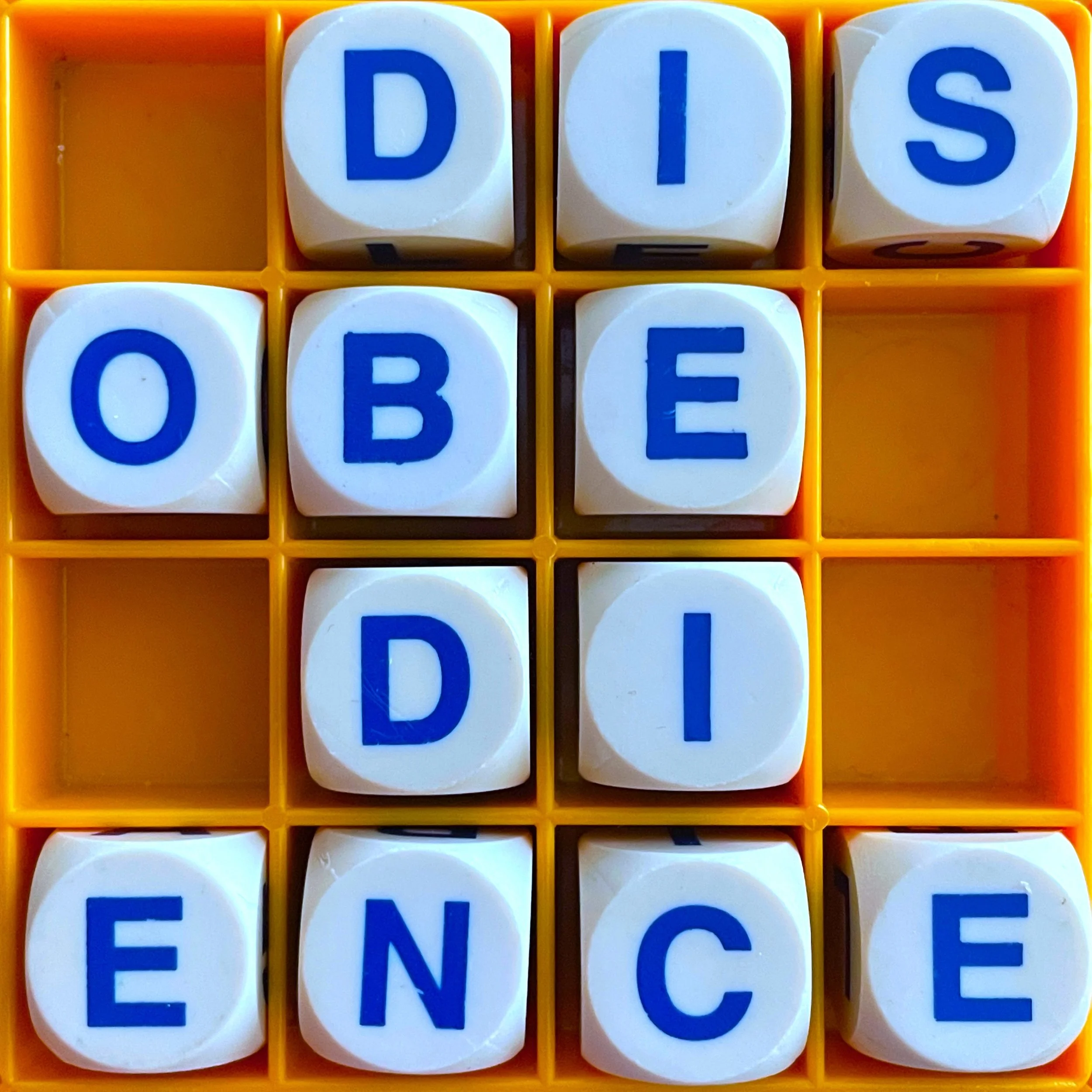
A boggle grid spelling out the word 'disobedience'

SO MAYER: Being perceived, being heard: we often think about the painful aspect of that as being misheard, being criticised, being deliberately misunderstood, being shouted down. And I've experienced all those things, of course I have. But the possibility of actually being heard is equally as painful. Because it also asks what would be the result of that, that if someone said, "Okay. I've taken on what your book is saying. What now? Back to you." And that's what a good therapist does: "I've heard you. Now what are you gonna do about it?" And then going: oh, supposedly through my educational privilege, I've been taught to take power from using language. And here I am using language and I don't feel powerful. I feel afraid and I feel ashamed, and I feel like someone's gonna hit me in the mouth. 

Read more
In transcript Tags lexicon, society, culture, words, language, books, So Mayer, libraries, librarians, library, teachers, gender, QUILTBAG, LGBTQIA++, quilting, knitting, punk, disobedience, consent, queer, non-binary, speech acts, bad language, power, coming out, debutantes, oppression, control, dictionaries, cunt, assimilation, non-aligned, erasure, witchcraft, epistemic injustice, listening, hearing, homophobia, transphobia, crimes against consent, abuse, feminism, philosophy, compliance, Adrianne Rich, Melanie Kaye/Kantrowitz, Irena Klepfisz, shame, singing, magic, hermeneutical injustice, leman, testimonial injustice, vulnerable

Allusionist 218. Banned Books transcript

October 8, 2025 The Allusionist
A boggle grid spelling out the words 'banned books'

SAM HELMICK: Censorship is a hammer looking for a nail, my friends. And someday, you will be that nail too, unless we all decide that we're going to unite against book bans today.

Read more
In transcript Tags arts, society, culture, words, language, Iris Mogul, Sam Helmick, books, literature, law, novels, fiction, banned books, book bans, Banned Books Week, libraries, librarians, library, teachers, schools, Forrest Spaulding, ALA, American Library Association, Iowa, World War One, First World War, USA, free speech, liberty, censorship, intellectual freedom, First Amendment, oppression, Judy Blume, Stephen King, Toni Morrison, James Baldwin, Louise Erdrich, Forever, Deenie, Where’s Waldo, Where’s Wally, Tipper Gore, Satanic Panic, Mein Kampf, chilling effect, German, Babel Proclamation, bans, sauerkraut, renaming, rubella, Nineteen Eighty-Four, Friday Night Lights, Lady Chatterley’s Lover, history, queer, trans, LGBTQIIA+, gender, sexuality, race, BIPOC, politics, offence, social justice, explicit lyrics, parental guidance, Library Bill of Rights, quintain

Allusionist 201. Singlish transcript

October 10, 2024 The Allusionist

BIBEK GURUNG: You grow up with the sense that if your first language, or one of your first languages, Singlish, actually a bad version of an already existing language, you kind of get this sense that “I'm just bad at language,” which is… language is a fundamental human skill. It's what separates us from the lemurs or whatever. And to just have this sense that you're bad at this very fundamental skill, I think, really does a number to your self esteem and your abilities to communicate in general. I still have a lot of - I don't know how to phrase it, maybe like cultural cringe - around Singlish. And when I meet someone from Singapore, we do sort of lapse into Singlish and communicate in that way, except if I'm with American friends and then I just feel so self conscious and I'm not able to do it. As a student of linguistics and someone who just knows about the sociolinguistic dynamics, I still find it really hard to shake. 

Read more
In transcript Tags English: problematic fave, history, society, culture, words, language, vocabulary, Bibek Gurung, Singapore, Singlish, Singaporean Colloquial English, Singaporean Standard English, Englishes, education, Speak Good English Movement, government, sociolinguistics, multilingual, multilingualism, policy, oppression, swearing, swears, punishment, school, portmanteaus, portmanteaux, mother tongue, Manglish, Malaysia, Straits, Tamil, Malay, Mandarin, China, Chinese, Asia, Asian, southeast Asia, dialects, creole languages, opsimath, problematic fave, code switching

Allusionist 163 Rhino Borked Guy transcript

October 22, 2022 The Allusionist

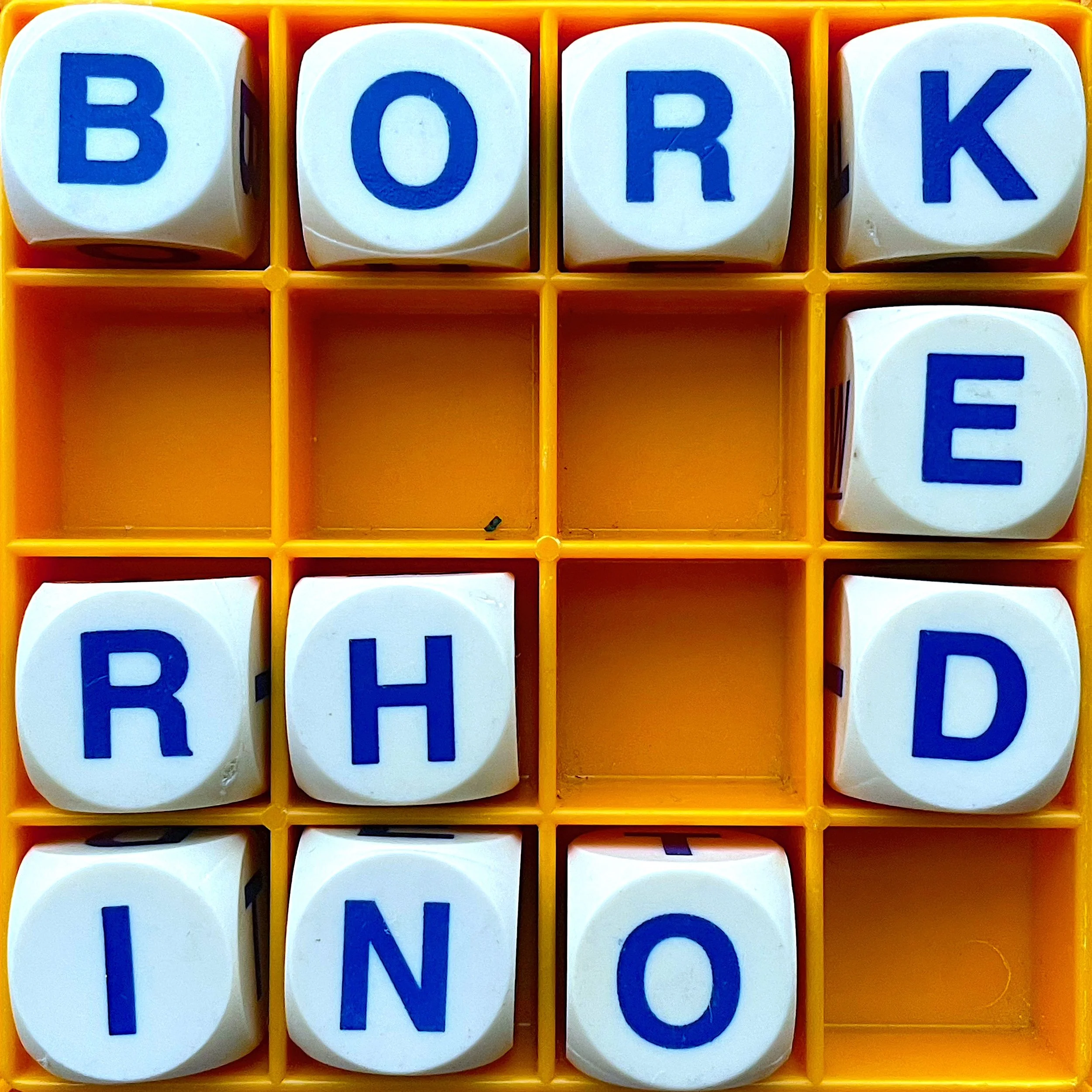
"Better to elect a rhino than an ass.”

Read more
In transcript Tags words, language, linguistics, education, comedy, society & culture, arts, literature, lexicon, vocabulary, etymology, history, entertainment, eponyms, Brazil, Rio de Janeiro, Sao Paulo, rhinoceros, Cacareco, elections, politics, political, votes, voting, protest vote, power, democracy, zoos, Richard Nixon, Pigasus, Republicans, Democrats, mule, Canada, Rhinoceros Party, English history, Tudors, Jacobean, guy, Guy Fawkes, Gunpowder Plot, Reformation, Protestant, Catholic, Catholicism, Church of England, religion, England, Henry VIII, pope, divorce, Elizabeth I, James I, kings, queens, monarchy, parliament, Roman Mars, Helen Zaltzman, bonfire, Bonfire Night, fireworks, 5 November, Robert Catesby, oppression, names, treason, conspiracy, gunpowder, explosives, weapons, molotov cocktail, Vyacheslav Molotov, Soviet Union, USSR, Russia, Finland, Supreme Court, USA, American history, Ronald Reagan, Robert Bork, Joe Biden, Ted Kennedy, Gerald Ford, Watergate, disinformation, propaganda, Roe v Wade, bork, borked, computers, DoggoLingo, civil rights, originalism, constitution, kype

Allusionist 126 Survival: Custodians of the Languages transcript

November 28, 2020 The Allusionist
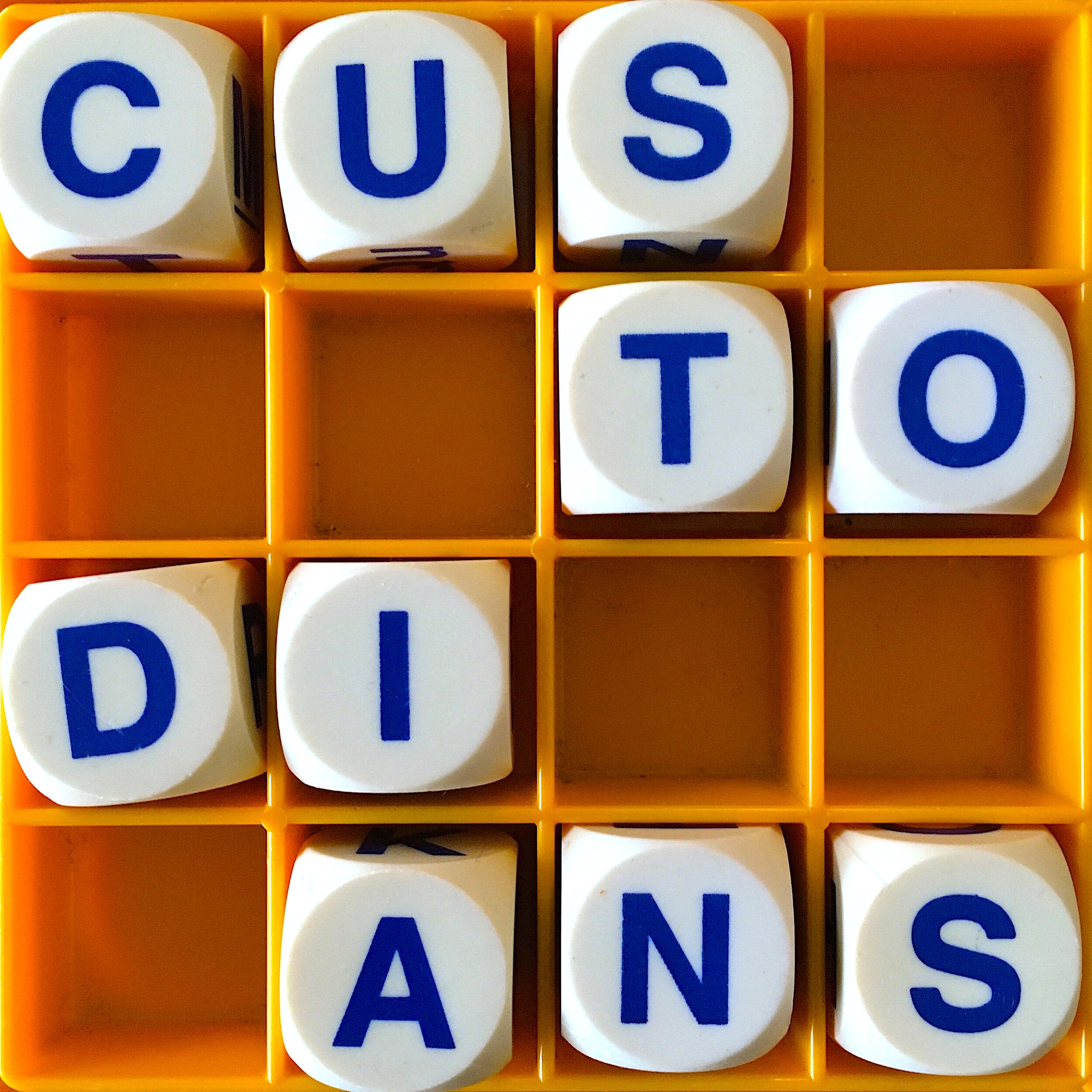
A126 Survival: Custodians of the Languages logo.jpg

RUDI BREMER: One aspect of of what happened in Australia, as far as colonisation, is the assimilation policy. And in broad strokes, the way that that worked was Aboriginal people were rounded up, and taken from their land and placed on missions. And from there you were forced to only speak English. You couldn't teach your children your language, you couldn't teach them your culture.

Read more
In transcript Tags words, language, linguistics, education, comedy, entertainment, society & culture, arts, literature, etymology, lexicon, vocabulary, Survival, Rudi Bremer, Karina Lester, Australia, country, indigenous, First Nations, Aboriginal people, colonisation, colonisers, oppression, genocide, oppressed languages, endangered languages, language death, language extinction, English: problematic fave, stolen generations, punishment, assimilation, language revival, oral culture, family, relationships, families, relatives, missionaries, Kaurna, Gamilaraay, place names

Allusionist 118 Survival: Bequest transcript

July 4, 2020 The Allusionist
A118 logo Survival Bequest.jpg

ELIZABETH KEREKERE: I'm so convinced that transphobia, biphobia, homophobia are such an integral part of colonisation, I reject that as a colonial construct, I reject it as racist.
As they took our land - tried to take all of our land, tried to take all of our language and suppress our culture, they also took our expressions of sexuality and gender. And that is important to us in a core part of our culture, especially because the way that the institutional racism, the intergenerational trauma that is the legacy of colonisation has impacted on us and the levels of discrimination against people with diverse genders, sexualities and sex characteristics, that we see that all of this, all of this was a massive attempt to cover up what was already there and pretend it never happened.

Read more
In transcript Tags words, language, linguistics, education, comedy, entertainment, society & culture, arts, literature, Helen Zaltzman, etymology, lexicon, vocabulary, Hemi Kelly, Elizabeth Kerekere, LGBTQIA, LGBTQ+, Pride, queer, sexuality, gender, identity, sex, relationships, families, family, community, Aotearoa, New Zealand, oppression, enby, NB, nonbinary, homosexuality, bisexuality, pansexuality, polyamory, heterosexuality, trans, intersex, rainbow people, genderfluid, fluidity, oppressed languages, minority languages, gender stereotypes, masculinity, femininity, monolingual, multilingual, loanwords, gender fluid, society, Christianity, Christian, religious, colonialism, colonial, Survival, colonisation, English, invasion, war, translation, Māori, takatāpui, Britain, British, UK, annexation, Treaty of Waitangi, urbanisation, whiteness, white privilege, privilege, English problematic fave, punishment, corporal punishment, shame, sailors, settlers, Maori Land Wars, art, carvings, bowdlerization, storytelling, story, stories, oral, oral tradition, writing systems, Roman alphabet, written, music, songs, singing, lyrics, whakataukī, proverbs, sayings, metaphor, imagery, genitalia, genitals, male, female, orthography, pronunciation, auscultation, stoats, laments, lost language, pronouns, context, gendered pronouns, erasure

Allusionist 117 Many Ways At Once transcript

June 16, 2020 The Allusionist
A117 Many Ways At Once logo.JPG

HARRY JOSEPHINE GILES: Our behaviour and our desires will always exceed any terminology that anyone can come up with. And so rather than trying to find the right terms - and this for me is like what working in, what trying to come up with an LGBT Scots glossary does: it's a chance to imagine. It's a chance not to come up with the right way of saying things, but to say: what if we thought about it this way? What if we thought about it that way? What assumptions are built into the languages that we use?

Read more
In transcript Tags words, language, linguistics, education, comedy, entertainment, society & culture, arts, literature, Helen Zaltzman, etymology, lexicon, vocabulary, LGBTQIA, LGBTQ+, Pride, queer, sexuality, gender, identity, Harry Josephine Giles, enby, NB, nonbinary, homosexuality, bisexuality, pansexuality, heterosexuality, trans, Scots, Scotland, oppressed languages, minority languages, Psychopathia Sexualis, slurs, UK, Britain, United Kingdom, gender stereotypes, masculinity, femininity, unco, unken, airtit, monie, monolingual, multilingual, loanwords, oppression

Allusionist 56+12. Joins & Pride - transcript

June 7, 2019 The Allusionist
A100-5 Joins Pride logo.jpg

To celebrate Pride Month, I’m playing two of the Allusionist episodes that have stuck with me the most during the show’s existence.

Read more
In transcript Tags words, language, linguistics, education, comedy, entertainment, society & culture, arts, literature, Helen Zaltzman, etymology, lexicon, history, pride, Gay Pride, gay, homosexuality, LGBT, Stonewall, demonstrations, oppression, Aristotle, civil rights, Quakers, Christopher Street, Stonewall Riots, New York City, Mayor Lindsay, trans, gender, LBGTQI, bodies, body, body parts, sex, dysphoria, communication, queer, proem, genitalia, genitals

Allusionist 81. Shark Week - transcript

July 27, 2018 The Allusionist
A81+Shark+Week+logo.jpg

HZ: There used to be a term ‘goatmilker’, it was a bird that was believed to suck milk from goats at night, but it was also slang for sex workers, and therefore slang for vulvas.
HRISHIKESH HIRWAY: Wow.
HZ: Licentious men were known as ‘goatmilkers’, because they were frequenting these sex workers in the 17th century when this word was around.
HRISHIKESH HIRWAY: Again, not enough poetry in that for me.
HZ: Too vulgar for you?
HRISHIKESH HIRWAY: Yes, for my delicate sensibilities.

Read more
In Radiotopia, episodes Tags The Beatles, indifference, emotions, nouns, verbs, adjectives, beyond the pale, phrases, sayings, ghetto, pale, impale, fences, Irish Pale, Russian Pale, Calais Pale, oppression, Jews, mood, ambivalence, testicles, balls, crotch, genitals, law, swearing, witness, testify, testis, ovaries, legal system, etymology, anatomy, Latin, Greek, ancient languages, Bible, supplication, stones, nuts, eggs, slang, avocados, Spanish, onomatopoeia, cinnamon, food, food styling, food stylists, brands, Chinese, it’s all Greek to me, typography, scribes, writing, placeholder, goats, capers, capering, foodstuffs, caprice, caprine, G.O.A.T., sharks, sea creatures, fish, Jaws, Mayan, xoc, German, sea-dog, dogs, loan shark, allusion, allude, Hrishikesh Hirway, Song Exploder, The West Wing Weekly, words, history, language, linguistics, expressions, Italian, goatmilker, education, comedy, entertainment, society & culture, arts, literature, Helen Zaltzman, lexicon, vocabulary

Allusionist 79. Queer - transcript

June 1, 2018 The Allusionist

AMY SUEYOSHI: I see 'queer' as an umbrella term, as a political call for revolution as well as unity across different groups of people.

JONATHAN VAN NESS: I think of it definitely with positive and loving energy around it, I don’t think of it as an insult at all; growing up, I would have thought of it more as an insult. I think it was in 2015 when we got marriage equality, and the media, especially the LGBTQ+ media, began to use it as an umbrella term, something we could all be part of. So I think I got the cue from media to know that it was a gorgeous amazing word, one where we’re taking the love back and it wasn’t one to be offended by any more.

KATIE MINGLE: I haven’t always loved the term for myself, because it feels like an umbrella term that you can use if you’re gay and in a relationship with someone of the same sex, or you can use if you’re a basically straight couple who occasionally has a threesome with someone. That’s what ‘queer’ has come to mean: anyone who’s not inside the norm.

AMY SUEYOSHI: I think it's rejecting things like patriarchy and heteronormativity, mandates of morality. So not just to be able to keep things gray or to be postmodern, post category, but instead rather to call for a true revolution of the way we see the world, the way we categorize the world. So it's not just about LGBT rights per se but it's about creating a world that's more respectful of equity and thinks about diversity as a plus and values different ideas as a side of radical change rather than fear.  

KATIE HERZOG: I sort of hate it. It’s too broad.

TOBIN LOW: It's so useful. I mean especially as there is this proliferation of identities that people can call themselves and identify with and really claim, it's a great way of just sort of acknowledging that it's all in the umbrella and that it's all valid; it's just like a way of acknowledging the validity of all the things, which I think is great.

ERIC MARCUS: This word has tortured me.

Read more
In transcript Tags words, language, history, sexuality, sexual identity, sexual orientation, gender, gender identity, identity, non-binary, trans, transgender, queer, queerness, queer history, queer studies, LGBTQIA, oppression, suppression, gay, lesbian, bisexual, homosexuality, bisexuality, law, legal, homophobia, NYC, New York, Pride, Queer Nation, USA, San Francisco, protest, reclamation, reclaiming, Queer Eye, Jonathan Van Ness, Getting Curious, Amy Sueyoshi, Eric Marcus, Making Gay History, Nancy, Kathy Tu, Tobin Low, Oscar Wilde, Bosie, Lord Alfred Douglas, 19th century, 20th century, 21st century, sexology, sex, military, WW1, WW2, World War One, World War Two, Presidio, Baker St Vice Ring, California, semantics, Queensberry, respect

Allusionist 77. Survival part 1: Second Home - transcript

April 20, 2018 The Allusionist
A77 Second Home logo.jpg

It’s Friday night. I’m in a church hall in the small town of Gaiman in Argentina, about 1200km south of Buenos Aires, watching a concert in which locals are singing songs in Welsh. Three thoughts are rotating in my mind:

1. These people are REALLY good singers;
2. If I die here, people are going to think, “What on earth was she was doing in a church hall in a tiny town in rural Argentina?”
3. We are 12,000 km from Wales. The Welsh language is not widespread. Why are there people speaking Welsh in Argentina?

Read more
In transcript Tags minority languages, Wales, Welsh, migration, immigration, emigration, Argentina, Tehuelche, Spanish, Patagonia, Chubut, Lower Chubut Valley, Gaiman, Trelew, Rawson, Trevelin, Esquel, history, government, governance, politics, oppression, education, stigma, national identity, nationalism, road signs, Britain, English: Problematic Fave, Helen Zaltzman
Allusionist Patreon
Featured
Allusionist 233. Phobia

'Phobia' gets used for anything from a mild aversion to a debilitating anxiety response to various forms of bigotry. Deboki Chakravarti and Sam Jones of the podcast Tiny Matters join to consider the term from its comedic origins with one of the founding fathers of the USA, via rabies and Greek deities, to its role in their lives today.

CONTENT NOTE: we’re not trying to stoke anyone’s phobias, but we do discuss some common phobia-inducers, including snakes, germs and small holes, and there’s a brief mention of tarantulas. There’s also talk about OCD and rabies.

Read more →
Allusionist 232. Vega

What do you call yourself if you're a part-time vegetarian? What petty linguistic things would you change? And what do you do if people gripe at you if you say that you are bi or pan? To answer these questions from the Allusionist mailbag are esteemed alumsionists: Hrishikesh Hirway and Samin Nosrat of Home Cooking podcast; academic and author Alex Ketchum; lexicographer Kory Stamper; and linguist Lauren Gawne of Lingthusiasm podcast.

Read more →
Tranquillusionist: cheesy cheesybobs

This is the Tranquillusionist, in which I, Helen Zaltzman, say a series of words to relax your mind, replace a hectic interior monologue, maybe lull you to sleep, hopefully quell the mental uproar just for a little while.

Today: nicknames for woodlice AKA rolypoly bugs AKA slaters AKA all these other things; and a list of cheeses from Great Britain and Ireland.

Read more →
78AF926C-7878-4567-A87F-13CFF415B647_1_105_c.jpeg
sorry lads, we're getting bad ads

TL;DR version:

  • For the show's financial survival (hopefully), over the next few weeks I'm having to switch on programmatic advertisements. This means, for the first time in the show's nearly 12-year existence, you may be subjected to ads that are not voiced, scripted and individually approved by me.

  • If you would prefer to listen to the show without ads in it, patreonise the show at the Gravy, Wedge or Check tiers, which include the perk of an ad-free RSS feed.

Click through to read the rest of the post about why I’m doing this thing I don’t want to do.

Read more →
Allusionist 231. Lingthusionist

“Linguistics and language is such a good mechanism for being curious,” says Lauren Gawne, linguistics prof, author of the book Gesture, and cohost of the podcast Lingthusiasm. I'm in vacation mode (although not on actual vacation alas), so today's episode is a fun chat with our nice pal about making language podcasts, the firey digestive punishments for linguistics researchers, working in reality television, and cute tame nouns versus scary intimidating verbs.

Read more →
Allusionist 230. Draculae part 4: Transformation

Throughout the Draculae miniseries, about the Swedish and Icelandic translations of Dracula that played fast and loose with the original text, I've been wondering a couple of questions: why are cover versions of songs and remakes of films so normal and acceptable, whereas cover versions in book form cause such a stir? And do these Scandinavian Draculae count as fan fiction? And if not, why not? Fansplaining.com's Elizabeth Minkel explains what fan fiction can mean.

Read more →
Allusionist 229. Draculae part 3: Hunting Down the Count

Many mysteries accompany the revelations that Powers of Darkness, the Icelandic and Swedish versions of Dracula, are not direct translations of Bram Stoker's original, but stories that significantly differ in character names, plot and runtime. Like: did Bram Stoker write it himself, to publish some raunchy content that British censors would forbid? Was Powers of Darkness based on his early drafts? And did he really not copyright Dracula in the USA was that a deliberate ruse? Welllll... brace yourself for ole thrill-destroyer Zaltzman to pop your balloons of excitement.

Read more →
queer playlist
Read more →
Allusionist 228. Draculae part 2: Surprises in the Vaults

Happy World Dracula Day to all who celebrate!

This is the second episode of the Draculae miniseries, about a literary mystery which came to me via a meme: “Someone translated Dracula into Icelandic, and it took over 100 years for anyone to point out he just made a fanfic rewrite of what he wanted the story to be.”

In Draculae part 2, Ásgeir Jónsson explains how he got that Icelandic adaptation of Dracula back into print, to little fanfare - but then Dutch scholar Hans Corneel de Roos set about making an English translation. Following that: like me, Will Trimble also got meme-struck, and that propelled him to get a translation of the Swedish version that begat the Icelandic one.

Before listening to this, check out the first episode of the Draculae miniseries explaining the three versions of Dracula: Dracula published by Bram Stoker in 1897; the Icelandic version Makt Myrkranna by newspaper editor Valdimar Ásmundsson, serialised in his newspaper Fyallkonan in 1900-1901; and the Swedish version Mörkrets makter by an author known only as A—e, and serialised in a couple of Swedish newspapers 1899-1900.

Read more →
Allusionist 227. Draculae part 1: Enter the Castle

A literary mystery came to me via a meme.

Read more →
Allusionist 226. Suburbia

"The word ‘suburbia’ sort of evokes a very fixed idea of a place that is identikit, that all suburbs are the same, that within the suburb everything is the same, that all people are the same, all experiences are the same," says social historian and author John Grindrod. "I think it has this kind of flattening-out facility, that word, that isn't true."

Read more →
Allusionist 225. Hues

You know what's an absolutely pesky kind of word to define in a dictionary? Colour names. A passel of lexicographers spent years - decades, even - trying different ways to describe colours in words for Webster's Third International Dictionary. It was such a huge, complicated effort that it took twelve years for former Merriam-Webster lexicographer Kory Stamper to write a book about it.

Read more →
Allusionist 224. Cosmic Hairball

Pack your oxygen tank, we're going up to space. There’s a lot of etymology up there.

Read more →
Allusionist 223. Bonus 2025
Read more →
Allusionist 222. A Christmas Carol

Today, we read the novelisation of The Muppet Christmas Carol, also known as the 1843 festive lit hit A Christmas Carol by Charles Dickens.

Read more →
Creative Commons Licence
The Allusionist by Helen Zaltzman is licensed under a Creative Commons Attribution-NonCommercial-NoDerivatives 4.0 International License.