Alexinomia is the aversion to saying people's names. Psychologist Thomas Ditye explains what it means to have this condition - in some cases not even saying your spouse's name during 25 years of marriage - and the research he and colleague Lisa Welleschick are doing to learn more about it.
Read moreAllusionist 233. Phobia
'Phobia' gets used for anything from a mild aversion to a debilitating anxiety response to various forms of bigotry. Deboki Chakravarti and Sam Jones of the podcast Tiny Matters join to consider the term from its comedic origins with one of the founding fathers of the USA, via rabies and Greek deities, to its role in their lives today.
CONTENT NOTE: we’re not trying to stoke anyone’s phobias, but we do discuss some common phobia-inducers, including snakes, germs and small holes, and there’s a brief mention of tarantulas. There’s also talk about OCD and rabies.
Read moreAllusionist 205. Lexicat, part 2: now with added Dog
In Lexicat part 1, we met the author Mary Robinette Kowal and her cat Elsie, and learned about how they communicate via a set of buttons programmed with words. In part 2, two talking dogs, Bastian and Parker - and their humans, Joelle Andres and Sascha Crasnow - join us too, and explain how they discovered some very unexpected things about what their animal companions are thinking and feeling thanks to the buttons, and how they changed the ways they communicate with other humans too. And animal behaviour expert Zazie Todd gives us some tips for interpreting cats’ and dogs’ body language.
Read moreAllusionist 204. Lexicat, part 1

Elsie the cat has a set of 120 buttons programmed with words. She uses them to lie, swear, apologise, express grief and frustration and love to her human, the author Mary Robinette Kowal, who talks about what's involved in learning to communicate via language buttons with companion animals. And animal behaviour expert Zazie Todd explains how animals might be interacting with human language.
Read moreAllusionist 191. Hypochondria
The word 'hypochondria' has travelled from meaning physical ailments in a particular region of your body, to ones that are only in your mind. It has been in fashion, and thoroughly out; it has been subject to a range of treatments; it has been lucrative for quacks; and it's a very understandable form of anxiety - which I have, and so does Caroline Crampton, author of the new book A Body Made of Glass: A History of Hypochondria.
Read moreAllusionist 184. Misophonia
The word 'misophonia' describes a condition that statistically, 20 per cent of you have: an extreme reaction to certain sounds. "For me, it was a relief to have a word for what I'd been experiencing," says Dr Jane Gregory, author of the new book Sounds Like Misophonia: How to Stop Small Noises from Causing Extreme Reactions, "because I thought for a long time that I was really uptight or maybe a bit controlling over other people, and that that was a problem with my character, as opposed to it actually being a problem with the way that my brain processes sounds." Jane offers advice for handling misophonia, including some very simple verbal techniques.
Read moreAllusionist 167. Bonus 2022
What do the hippocampus, homophones, Little Women, worrying and egg hacks have in common? They all star in the 2022 parade of Allusionist bonus bits! This year's guests provide some extra fascinating facts, thoughts and feelings: in order of reappearance, Jing Tsu, Morénike Giwa Onaiwu, Tim Clare, Stephanie Foo, Lewis Raven Wallace, Charlotte Lydia Riley, Hannah McGregor, Kristen Meinzer and Jolenta Greenberg.
Read moreAllusionist 162. Self-Help
Self-help is a multibillion dollar genre of books, and Kristen Meinzer and Jolenta Greenberg of By the Book podcast have lived by the advice of more than eighty of them. They discuss the ways these books use language to get into your brain, the negging and the euphemisms, what can actually be helpful, and why we should be more like dog.
Read moreAllusionist 160. Coward

“Anxiety is the parrot sidekick that rides on my shoulder and occasionally squawks warnings in my ear,” says Tim Clare, poet and podcaster and author of the book Coward: Why We Get Anxious & What We Can Do About It. We talk about anxiety, cowardice, magic bullets vs silver bullets, the scary Bible, and seagulls.
Read moreAllusionist 152. Asperger
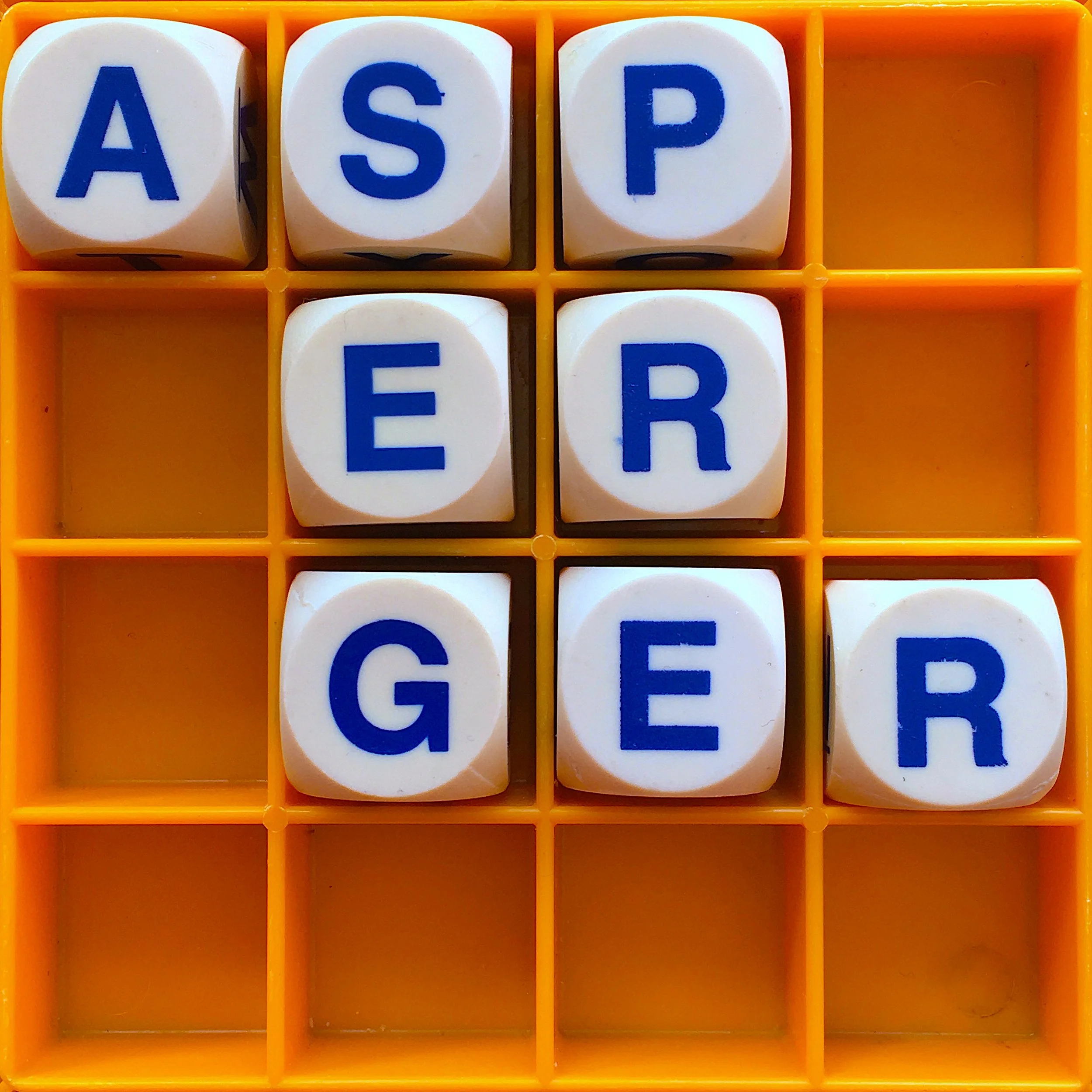
Hans Asperger would have been merely "a footnote in the history of autism", so why did he get to be the eponym in Asperger's syndrome? Because along with the usual problems medical eponyms pose, and his work not really earning him the honour, he collaborated with Nazis and sent children to a hospital where they would be experimented on and even killed.
Activist, writer and academic Morénike Giwa Onaiwu discusses the stigma around terms like Asperger’s syndrome and autism, and historian Edith Sheffer talks about Hans Asperger and child psychiatry in Nazi Vienna.
Read more