"The word ‘suburbia’ sort of evokes a very fixed idea of a place that is identikit, that all suburbs are the same, that within the suburb everything is the same, that all people are the same, all experiences are the same," says social historian and author John Grindrod. "I think it has this kind of flattening-out facility, that word, that isn't true."
Read moreAllusionist 216. Four Letter Words: Terisk
Watching the film Legally Blonde one day with the subtitles on, numerous perfectly innocuous words were partially asterisked out, because of a technological problem I can't name here lest this episode be blocked from search results, thus becoming an example of the problem itself.
Who's to blame? A 900-year-old man from Lincolnshire. Although he didn't ask for this either.
Read moreAllusionist 186. Ravels
We’ve got knitting! We’ve got eponyms!! We’ve got knitting eponyms!!! Which come with a whole load of battles, f-boys, duels, baseball, scandals - and socks, lots of socks.
Fibre artist and Yarn Stories podcaster Miriam Felton discusses why grafting should ditch the name 'kitchener stitch'; we learn about the eponymous cardigan; and three towns in Ontario take pretty different approaches to having problematic namesakes.
Read moreAllusionist 171. Supplantation
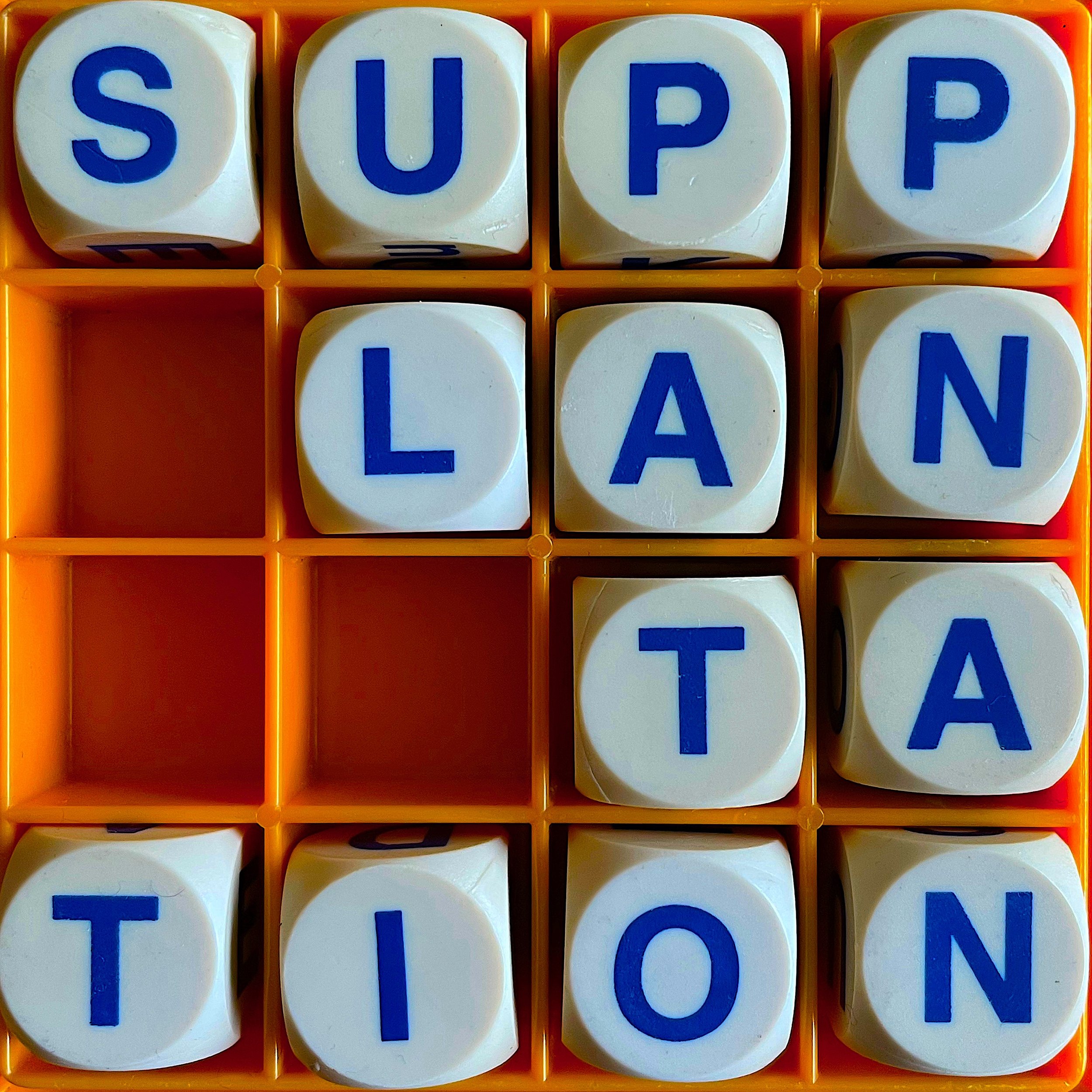
Last episode, I mentioned that in London, Ontario, in 2019 a 9-year-old named Lyla Wheeler had launched a petition to rename her street, currently called Plantation Road. This episode, Lyla, now aged nearly thirteen, and her mom Kristin Daley recount the reasons why Lyla campaigned for this name change, how the neighbours reacted, what happened when the wider world heard about it, and why the street's name is still Plantation Road.
Read moreAllusionist 170. Actively Passive

Over the past few years, numerous products and places with the word 'plantation' in their names have rebranded. As for the word 'plantation' itself, architect and writer Kennedy Whiters of unRedactTheFacts.com advocates for replacing it with a more truthful term. She also watches out for use of the grammatical passive voice, because "It hides who did what to whom."
Read more